

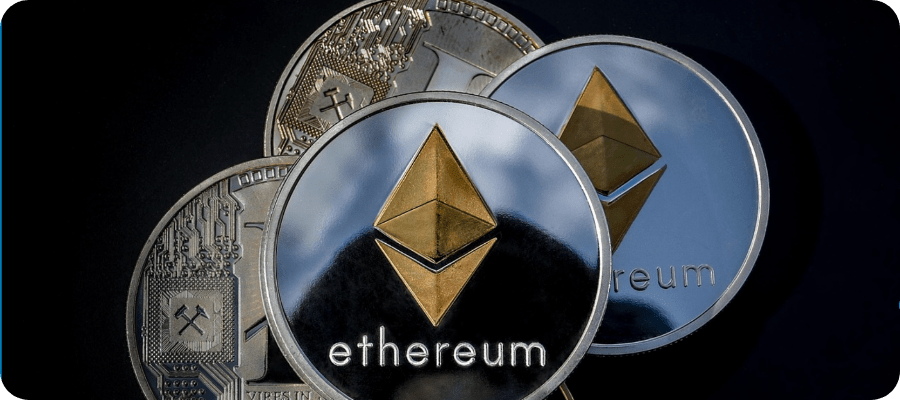
Over the last few years, the crypto sector has moved beyond speculation and asset trading. Developers and users are now paying much closer attention to the technology behind digital assets. In particular, the token standards that define how these assets behave. With decentralised finance (DeFi), blockchain gaming, and real-world asset tokenisation expanding, token standards are evolving to meet new demands. This is all having an impact on how projects are built, how users interact with platforms, and how regulation may be applied in the future.
What Are Token Standards?
A token standard is the set of rules that determine how a digital token operates on a certain blockchain. These rules and standards dictate when a token can do, how it can communicate with smart contracts, and how it’s stored and transferred between wallets. It was Ethereum that introduced the concept to a mainstream audience with its ERC-20 standard. This became the foundation of most utility tokens and initial coin offerings.
Now, we have seen other standards come into play. These include ERC-721 for non-fungible tokens (NFTs), ERC-1155 for multi-token formats, and ERC-4626 for yield-bearing vaults. Each new standard is designed to solve specific problems, increase compatibility, or reduce the complexity of transactions.
Interoperability and Efficiency
Perhaps the biggest driver behind new token standards is the growing need for interoperability. With more blockchains and layer 2 solutions entering the market, assets need to be able to move freely across platforms, without the need for manual swaps or third-party bridges. Standards that include built-in cross-chain compatibility make it easier for developers to deploy applications across ecosystems.
Efficiency is also improving now. Looking at ERC-20, there was a need for multiple transactions for certain operations, and this increased gas costs. The newer formats allow for batch operations or built-in logic that reduces overhead. This means that DeFi protocols are more accessible, and the barriers for smaller transactions have been lowered.
Use Cases Expanding Beyond Finance
The role of tokens was once limited to exchange value. Now, in gaming, new standards allow for tokenised in-game items that can be transferred between titles or even resold on open marketplaces. Also, in logistics, tokens are being used to track shipments and certify authenticity.
In some areas of the world, real estate titles and carbon credits are being tokenised using custom smart contract templates that follow industry-specific rules. These uses require high levels of flexibility, and that’s why developers continue to create new standards or extend existing ones.
This wider range of applications also impacts how tokens are regulated and taxed. As tokens become tied to tangible goods or services, the legal definitions surrounding them must adapt. Some standards are now being developed with audit trails, metadata handling, and permission controls built in.
The Role of Trading Platforms
With the token environment becoming more complex, trading platforms are under increasing pressure to keep pace. The support of new tokens needs technical upgrades, including how wallets display tokens and how exchanges handle listings.
Traders expect compatibility across multiple chains and token types. A well-equipped online trading broker must offer infrastructure that not only supports traditional cryptocurrencies but also accommodates wrapped tokens, yield-bearing assets, and cross-chain derivatives. The broker’s backend systems must be prepared to handle token behaviour that differs from legacy formats.
As well as this, platforms are also playing a role in shaping which standards gain traction. When a trading interface or wallet provider offers seamless support for a new format, adoption tends to rise. On the flip side, if standards are hard to implement, they struggle to find real-world use.
Risk and Security
As with all innovation, the introduction of new token standards comes with risk. One approach to mitigating risk is working through a regulated cfd trading broker, where the underlying crypto markets are accessible via contracts for difference rather than direct asset holdings.
With this model, users can speculate on price movements without the need to manage custody or interact with smart contracts directly. While this isn’t suitable for all traders, this method avoids some of the technological and regulatory issues that can be seen in token-native platforms.
Regulatory bodies are also watching closely. New standards that involve staking, yield distribution, or asset representation may trigger different interpretations under securities law. Developers are building compliance features directly into token contracts, such as restrictions on transfers or built-in reporting logic.
What’s Ahead for 2025 and Beyond
Token standards will continue to evolve as projects push the boundaries of what is possible with digital assets. Areas to watch include zero-knowledge proof compatibility, dynamic NFTs that change based on data inputs, and tokenised identity credentials. These are not just novel features; rather, they will influence how users onboard to blockchain systems, how governments evaluate compliance, and how financial services bridge into decentralised ecosystems.
Standards bodies like the Ethereum Improvement Proposal (EIP) process will remain central to this development. However, other blockchains such as Solana, Avalanche, and Cosmos are also introducing their own models. The result will likely be a mixture of standardisation and experimentation, where interoperability remains a top concern.
For users, the shift may feel subtle. We’ll see that interfaces improve, transaction speeds will increase, and new asset types will appear. However, under the surface, the rules guiding token behaviour are being rewritten, and the platforms that adopt these standards early will be better positioned to serve tomorrow’s crypto economy.