

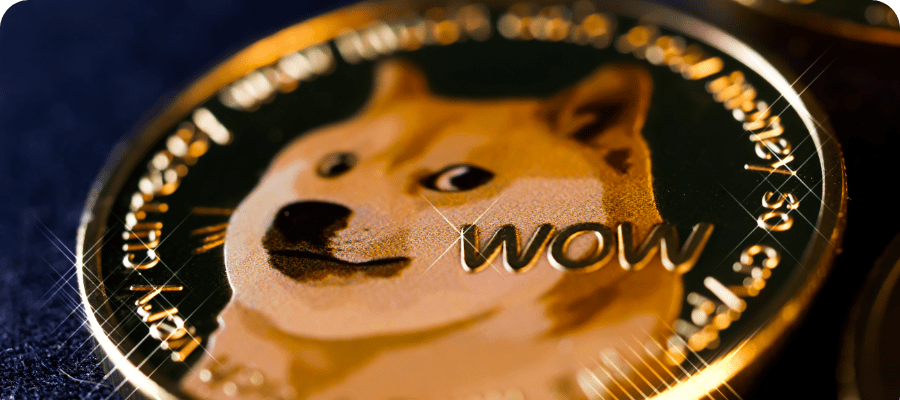
Meme coins have evolved from internet jokes into a serious segment of the cryptocurrency market. Coins like Dogecoin and Shiba Inu show that humor, culture, and community can drive billions of dollars in value. But creating a meme coin that gains traction requires more than just a funny idea — it demands strategic planning, tokenomics design, blockchain knowledge, and community engagement. This article explores how to create a meme coin in a research-driven, step-by-step framework.
Understanding the Meme Coin Market
Meme coins are unique because their value is largely sentiment-driven rather than utility-based. Their success depends on virality, cultural resonance, and community momentum. While many meme coins fail quickly, the few that succeed achieve rapid adoption and strong liquidity due to coordinated online campaigns, influencer support, and a compelling narrative, as noted by trusted crypto news sites like BiteMyCoin.
How to Create a Meme Coin
Step 1: Define Your Concept
Every meme coin begins with a concept that resonates with internet culture. Humor, animals, pop culture references, or social commentary are ideal starting points. A clear, relatable theme helps create an emotional connection with potential investors and community members. Visual branding — logos, mascots, and slogans — should be memorable and easily shareable across social media.
Step 2: Choose a Blockchain Platform
Most meme coins are built on Ethereum or Binance Smart Chain (BSC) due to their robust infrastructure, smart contract capabilities, and large user base. When choosing a platform, consider:
- Transaction Fees: Lower fees encourage small-scale transactions.
- Ecosystem Compatibility: Ensure integration with wallets, DEXs, and staking platforms.
- Scalability and Security: The network should handle high transaction volumes during hype periods.
Step 3: Develop the Token
Token creation involves deploying a smart contract that defines the token’s parameters: name, symbol, total supply, decimals, and rules for minting or burning. Tools like Remix, Moralis, or PinkSale can simplify development for non-programmers. Key decisions include:
- Total Supply: Fixed or flexible token count.
- Ownership Control: Whether to retain administrative privileges or renounce ownership for trust.
- Burn/Mint Functions: Controlling supply to influence scarcity and price.
Smart contract security is critical — audits are recommended to prevent exploits or hacks.
Step 4: Design Tokenomics
Tokenomics defines how the token behaves economically. Even meme coins need transparent and attractive tokenomics to gain trust. Common mechanisms include:
- Fair Launch: Equal access for all buyers.
- Liquidity Locking: Prevents immediate dumping and builds credibility.
- Burn Mechanisms: Gradual reduction of supply to increase scarcity.
- Community/Charity Wallets: Allocating tokens for giveaways, marketing, or social initiatives.
Simple, transparent tokenomics often work better than overly complex designs, especially in meme-driven markets.
Step 5: Build and Engage the Community
Community engagement is the lifeblood of meme coins. Platforms like Twitter/X, Reddit, Telegram, and Discord are essential for cultivating a strong following. Effective strategies include:
- Creating viral memes to promote the coin organically.
- Collaborating with crypto influencers for broader reach.
- Hosting contests, AMAs, or giveaways to encourage participation.
- Motivating users to generate content and spread the meme.
A loyal, engaged community drives both price momentum and sustained attention.
Step 6: Launch and Market Your Meme Coin
Successful launch strategies often include:
- Pre-sale or Initial DEX Offering (IDO): To raise liquidity and distribute tokens.
- Listing on DEXs and CEXs: Improves accessibility and trading volume.
- Ongoing Marketing Campaigns: Meme campaigns, social media trends, and collaborations keep the coin relevant.
Transparency, frequent updates, and active engagement are crucial to maintaining investor confidence and community interest.
Step 7: Monitor Performance and Adapt
Once launched, continuous monitoring is essential. Track metrics like trading volume, active wallets, social sentiment, and token distribution. Use this data to adjust marketing strategies, tokenomics (if allowed by contract), and community initiatives. Constant adaptation is key in the fast-moving meme coin ecosystem.
Conclusion
Creating a meme coin in 2025 requires a combination of cultural insight, technical execution, economic design, and community management. While humor and virality are important, research-based planning around tokenomics, blockchain selection, and growth strategy distinguishes successful meme coins from those that fail. A well-designed meme coin can capture significant attention and investment, but sustained success depends on community engagement, transparency, and market adaptability.