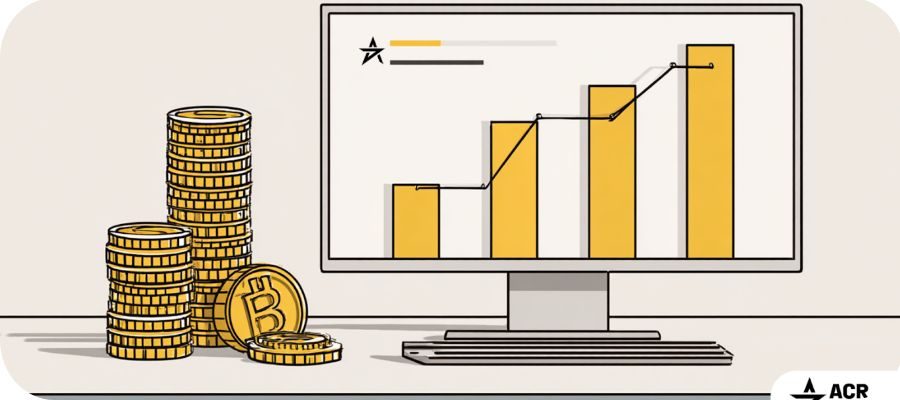
Crypto casinos have quickly become the biggest sector of the Island’s growing gambling industry. The country has some of the strictest gambling laws in Europe, but its residents have turned to crypto payments as a way to get around those regulations.
The gambling establishments offer the same games and features as those found in land-based casinos and in fiat-casino counterparts, with the added benefits of crypto. In this article, we’ll dive deep into this trend and what it means for Island’s players.
Iceland’s Gambling Landscape — A Regulatory Backdrop
Iceland has one of the most restrictive gambling regulations in Europe. The only legal gambling forms are state-run lotteries and gambling games run by charitable organizations. Commercial casinos are banned, and there are no domestic licenses for online casinos.
However, the best crypto gambling sites are still available to Icelandic players, as long as they are based in an approved jurisdiction. The regulation doesn’t cover crypto payments because it was written well before crypto became widely available. The lack of formal oversight also has downsides that many players are aware of.
What’s Driving the Boom — Accessibility, Anonymity & Speed
Betting with crypto payments offers a variety of benefits and features unavailable to those using fiat money. These features are driving players towards crypto casinos and away from traditional payment options.
According to experts such as those at Webopedia, crypto payments can be made from anywhere in the world because they don’t rely on a central bank. That’s why casinos are available on the Island as well. Payments can also be made without providing any personal data, thereby enabling online anonymity. This feature will be even more in demand in the years to come. The payments are also instant, since there’s no central processing institution.
The Economics — Magnitude and Money Flow
The rise of crypto casinos has had a meaningful impact on the overall economy of the Island. A growing share of the gambling spending is now going to offshore casinos, while bypassing the domestic institutions. It’s difficult to track payments on the blockchain, but estimates suggest the number is in the millions.
The government sees this as a loss of tax revenue. That’s why many believe it will try to regulate the use of crypto and tax winnings from crypto casinos. Other countries have done so, and the Island will follow suit, mostly by mimicking the EU’s regulations.
Player Experience — Games, Platforms, and Trends
Crypto casinos provide all the games players enjoy in casinos using fiat money, but they also offer games and features that couldn’t be found in those casinos. Popular options include slots, live dealer games, sports betting, and fast-paced formats such as crash games. They also provide “provably fair” games tied to smart contracts on the blockchain.
These are based on a self-executing contract that transfers funds to the player in an instant once their wagers have been processed. The technology allows players to bet and trust casinos regardless of where they are located, with little legal risk.
Legal and Financial Risks — Taxation & Consumer Protection
There are also risks to crypto gambling, despite the appeal. The biggest one of these is the volatility of the cryptocurrencies themselves. Their value isn’t tied to any central bank; instead, it’s traded in the open market and can rise or fall based on market forces. This means that the value of your winnings could drop after you’ve won.
The uncertain legal status can also be seen as a risk, at least for Icelandic players. Most jurisdictions don’t treat crypto as money; they treat it as an investment. Iceland will probably do the same, and the players will have to adapt.
Regulatory Responses — What’s Being Done and What’s Next
The existing regulatory landscape is outdated and doesn’t address cryptocurrencies at all. It’s expected that Iceland will introduce new legislation allowing it to provide new levels of protection for bettors, while also making it easier to tax winnings from crypto casinos. In this, it will mimic the legislation already in place in the EU, which has the most comprehensive crypto regulations.
Policymakers will have to choose between introducing restrictions, pursuing cross-border cooperation, and innovating licensing to include crypto payments. It’s also possible that the government will try a mix of all of these measures.
To Sum Up
Crypto gambling has been on the rise in the Island. The practice offers features and games that players couldn’t get elsewhere, since outdated regulations currently restrict national gambling providers.
The players who use crypto can do so from anywhere in the world and play at casinos regardless of where they are based. They can also make fast payments without providing personal data. The island will have to adapt to this and establish a regulatory framework for crypto use.