In today’s crypto market, every project comes with a flashy roadmap, a “revolutionary” utility, and the promise of life-changing returns. And yet, most of them end up the same way: abandoned, rugged, or slowly fading into irrelevance.
Scamcoin flips the script by doing the exact opposite. Instead of promising the moon, it promises nothing at all. Instead of dangling fake utilities, it openly declares itself a scam. It’s the only crypto honest enough to call itself what most other projects are.
That brutal honesty is refreshing in an industry where hype and deception have become the default marketing strategy. It’s no wonder people are paying attention.
Unmasked: The Degens Who Called It a Scam First
Who’s behind Scamcoin? Nobody you’ll see on Forbes covers or shilling in a tailored suit. Instead, it’s meme architects and degenerate culture warriors who’ve lived through every rug and false promise this space has to offer.
By claiming the “scam” label from the start, the community did something genius: they made Scamcoin rug-proof. How do you FUD a coin that already calls itself a scam? You can’t. The joke is baked into the brand.
The result? A community that isn’t here for promises or fake seriousness. They’re here for chaos, memes, and the joy of finally being in on the joke.
Scamcoin Explained: A Joke So Honest It Became a Token
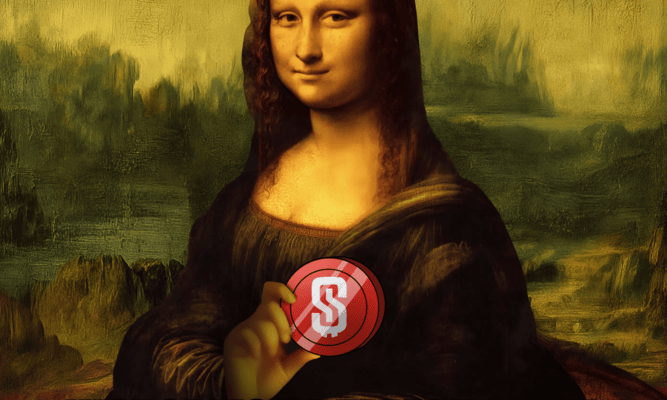
At its core, Scamcoin is a Solana-based meme token. It does not have a roadmap, a whitepaper, or corporate jargon about “utility.” Its tagline says it best: “We promise nothing… and deliver even less.”
Ironically, that honesty makes Scamcoin more trustworthy than many so-called “serious” projects. While other coins build castles in the sky, Scamcoin builds memes, and that’s the whole point.
From Meme to Movement: How $SCAM Actually Works
If you’re wondering how Scamcoin “works,” here’s the radical truth: it doesn’t. Not in the way other projects pretend to. The meme is the product. The community is the value.
By stripping away the illusion of utility, Scamcoin forces holders to confront what drives crypto culture: identity, belonging, and inside jokes that only degens understand.
This is where Scamcoin’s brilliance lies. It isn’t just a coin; it’s a parody of every rug pull and overhyped token you’ve ever seen. And somehow, that makes it one of the most honest projects in the space.
And unlike projects that disappear overnight, SCAM has embraced its identity so thoroughly that it can’t rug. The community even calls it the “reverse rug”, the scam that doesn’t scam. Instead of vanishing, it keeps pulling people in deeper, with memes, inside jokes, and a growing cultural footprint across Twitter and Telegram.
How to Ape Into the Cult of $SCAM
Buying into Scamcoin is refreshingly simple.
- You can grab SCAM directly inside Phantom wallet, the most popular wallet on Solana.
- Or trade via decentralized exchanges like Jupiter or Raydium using any Solana-compatible wallet.
Details you need to know:
- Ticker: SCAM
- Contract Address: 9mNjA6BizTwpvd4DS3o7BjwZ6aPM9DC2jLHS7JFGbonk
- Supply: 999,955,056 tokens (verified on CoinMarketCap and CoinGecko)
Join the Rug That Never Rugs
Scamcoin is more than a meme token; it’s a cultural movement wrapped in satire. In a space where every project tries to look legitimate while secretly being a scam, SCAM decided to call it what it is. And that honesty turned out to be its biggest strength.
Join the one scam that never rugs on the official site, follow the chaos on X, and dive into the cult on Telegram.