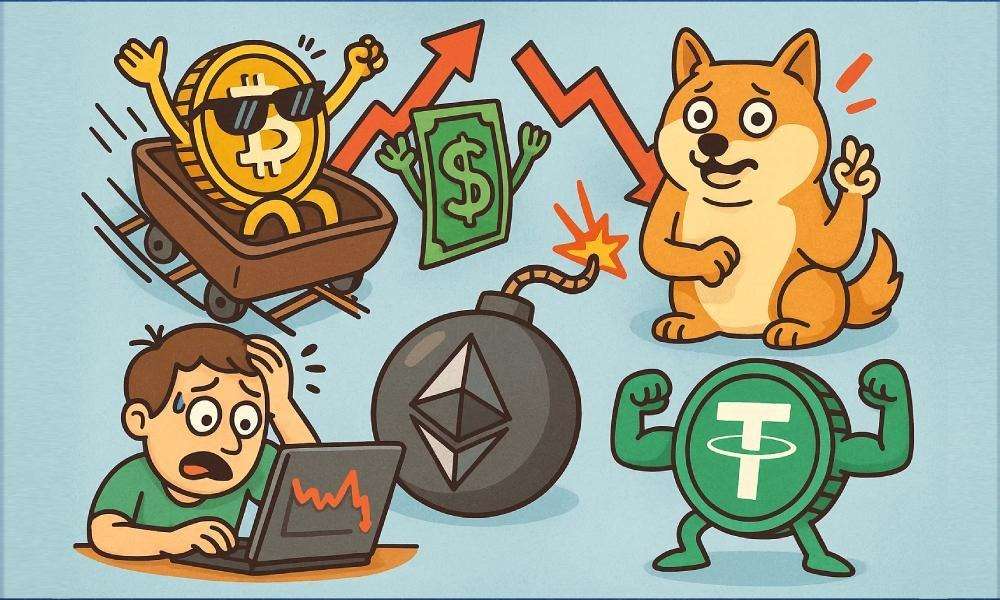
Spot trading is predictable. You buy, you wait, you hope. Futures are different. They let you move faster, risk more, hedge smarter, and profit in both directions.
If you know how to use them, they’re a serious edge. Here’s what makes crypto futures worth learning and what you need to know before jumping in.
What Are Crypto Futures?
You don’t need to own Bitcoin to sell it. With crypto futures, you trade the price, not the object. Instead of buying crypto directly, you make a deal that settles at a future date. Depending on whether the price went up or down in your favor, you will either have made money or lost money.
It’s the same basic idea as traditional banking, but crypto takes it further by letting people access it 24 hours a day, 7 days a week, with more leverage and fewer gatekeepers.
A Quick Look at a Use Case
For traders looking to explore this world, platform choice matters. A quick look at this CoinFutures review shows how some providers are trying to stand out by offering 1000× leverage, no KYC requirements, and a simplified interface geared toward retail users.
That much leverage is very risky, especially to beginners, but it shows that there is a clear need for futures tools. Specifically, they’re easy to use and don’t have complicated setup steps or regional restrictions. To compete with bigger platforms, CoinFutures focuses on having a lot of liquidity, low trading fees, and fast order matching. These are all very important for people who use short-term strategies or high-frequency setups.
The Core Benefits: Flexibility, Leverage, and Hedging
Flexibility is the best thing about buying futures. By going long or short, you can make money whether prices go up or down. That’s a huge step up from spot markets, where you mostly bet on growth. There are “greater capital efficiency, advanced trading strategies, and opportunities in both directions,” according to Kraken’s own summary.
Then there’s using force. Futures traders can use 10×, 50×, or even 100× leverage on many sites. This makes both gains and losses bigger. Leverage requires discipline, but it also lets people with good risk management and timing make more money.
You can also trade with futures. Someone who has held Bitcoin for a long time and is afraid of short-term price drops can short BTC futures to make up for their losses. In traditional finance, this kind of tactical risk control is common. It’s also now a standard move in the crypto world.
Why Perpetuals Dominate
The rise of perpetual contracts is a big reason why crypto futures are different from standard ones. These don’t end every three months like quarterly futures do. Instead, they start over based on a funding rate paid by both longs and shorts.
The Emerging Markets Institute at Cornell says that more than 93% of all crypto swaps trading now comes from perpetual futures. These are contracts that don’t expire and are made to be traded all the time. Just that number tells you where most of the action is.
Prices stay close to spot thanks to this mechanism, which also keeps exposure fixed. This is because perpetuals are so popular that most sites that focus on retail make them their main product by default. They’re easier to understand, don’t need as many rollovers, and work better with short-term speculation.
What Are the Risks?
Crypto futures are risky because they use borrowed money. If positions aren’t properly managed, especially if there is a lot of leverage, liquidation can happen quickly. Traders need to know about things like funding rates, order book depth, margin calls, and slippage.
Besides that, not every site follows the same rules. Some are regulated, but others, especially ones that are located overseas, may not give as many protections. Before you open a position, make sure you know how the site handles fees, liquidation, and custody. Recently, the U.S. Commodity Futures Trading Commission (CFTC) warned people about fake platforms that look like crypto futures traders. This shows how important it is to check.
The rules are changing quickly, but for now, it’s up to the seller to do their research.
Who Is It For?
Futures trading isn’t just for hedge funds or full-time quants. Increasingly, everyday crypto users are using futures as part of a diversified strategy. You might use them to:
- Hedge a long-term ETH position before a volatile event
- Take advantage of short-term momentum
- Test automated strategies without spot slippage
- Trade volatile tokens without needing to own them
That said, experience helps. Paper trading (simulated trading) is widely recommended before risking real capital.
Conclusion
Not everyone should trade crypto futures. But there are a lot of chances with futures for people who take the time to learn how they work, know the risks, and choose the right platform. They give buyers more control over how they interact with crypto markets by letting them do things like shorting and hedging, and making it easier to use capital more efficiently.
The futures market has a lane for everyone, whether you’re a careful operator or a high-octane speculator. Just don’t go too fast.