Paying with cash is no longer the norm in many places. Digital payments, from phone apps to contactless cards, have taken over everything from groceries to public transport. It’s fast, convenient, and widely accepted.
Still, cash hasn’t disappeared. Some people rely on it every day, and many regions aren’t ready to give it up. The question now is whether 2026 will be the tipping point, or just another step in a slow transition.
Strong Growth in Digital Payments across Key Sectors
Digital payments have become the default in many situations throughout 2025. More people now rely on fast, secure methods to make purchases without using cash. Widespread smartphone use and better internet access have made it easier to pay through apps, cards, or digital wallets. The main benefit is speed. A contactless payment takes seconds, while traditional methods often slow things down. Security improvements such as biometric verification and token-based systems have also helped build trust.
One example of this shift is the rise in mobile wallet usage. Services like Google Pay and Apple Pay allow users to store multiple payment options and make purchases instantly, whether in-store or online. These tools are built into the devices people already use every day, making the payment process smooth and predictable.
Digital systems have also influenced entertainment habits, bringing more activities into online environments. Casino platforms have been particularly keen on accepting a variety of digital payments. Thousands of players have joined online casino PayPal services because they offer straightforward deposits, quick withdrawal processing, and interfaces that are easy to understand even for newcomers. Real‑time balance updates, organized menus, and compatibility across phones, tablets, and computers contribute to their appeal.
Another good example is the ride-sharing industry. Companies like Uber rely entirely on digital billing, completing billions of trips each year without cash. Riders benefit from clear pricing, automatic receipts, and payments that are handled in the background without extra steps. It’s fast, efficient, and fits the pace of modern travel.
Cryptocurrencies as an Expanding Payment Option
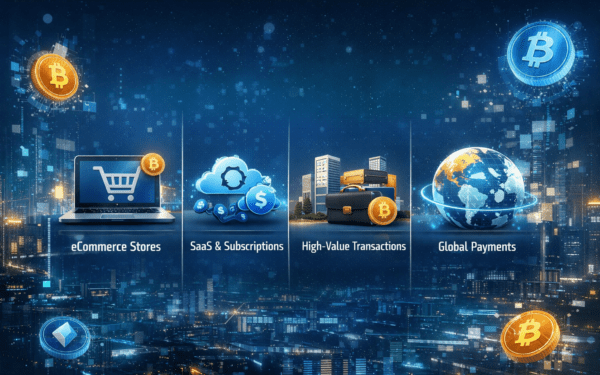
Cryptocurrencies have moved from niche interest to a practical choice for certain types of payments. In 2025, their combined market value sits above $2.5 trillion, with stablecoins taking the lead for everyday use. These digital assets offer low‑cost transfers, especially internationally, where traditional services often charge high fees. The advantage becomes clear for workers sending funds abroad or businesses operating across borders, as costs can drop considerably.
Institutional involvement has also supported adoption. Large firms now hold significant crypto assets through regulated investment vehicles, which has increased confidence in the system’s long‑term stability. As a result, more merchants accept crypto for routine purchases, from small cafés to electronics retailers.
Volatility remains an issue, though stablecoins help reduce uncertainty. Newer blockchain-based wallets have improved transaction speed and verification, making them more suitable for smaller merchants. While cryptocurrencies are unlikely to replace cash entirely, they now serve as a practical alternative for users who prefer decentralized systems or want options outside traditional banking.
But Payment Behavior Varies Across Regions
Payment behavior varies widely across regions, which makes a universal shift away from cash unlikely in the near term. Some advanced economies are moving quickly. Sweden handles almost all consumer transactions electronically. South Korea and Norway exhibit similar patterns, with cash accounting for only a small share of daily payments.
The situation differs sharply in developing regions. Many areas in Africa and Southeast Asia rely heavily on physical currency due to limited banking access or unreliable internet. Even in countries with advanced systems, such as the United States, cash remains common in rural communities and local markets.
Why Cash Continues to Play an Important Role
Despite the growth of digital systems, cash remains part of daily life for millions. Worldwide, more than half of consumers use cash weekly, often because it works without technology and avoids issues like poor connectivity or system outages.
For many people, cash is tied to access. Millions of households lack full banking services, making cash essential for groceries, utilities, and transportation. Older adults often prefer it because it feels familiar and requires no technical knowledge. During emergencies, such as power failures or network disruptions, cash provides stability when digital tools are unavailable.
Privacy is another reason for its continued use. Cash leaves no digital trail, which appeals to those who want more control over their personal information. During periods of economic uncertainty, many people increase the amount of cash they keep on hand as a form of security. Although digital methods continue to expand, these factors ensure that cash remains relevant even as its share of overall transactions declines.