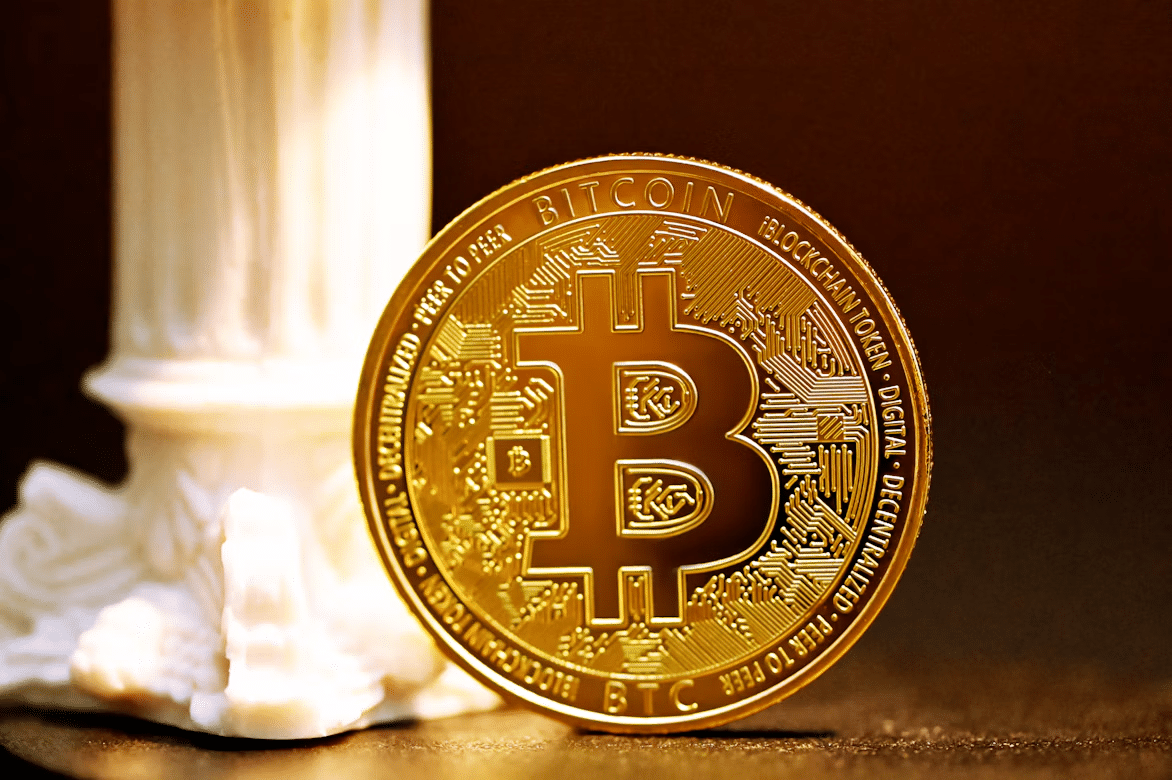
For many years, if you asked a seasoned investor what building an investment portfolio means, they would tell you that you have to follow a familiar formula: bonds for stability, stocks for growth, and maybe some gold for good measure. But then Bitcoin and digital currencies have arrived, and they brought a new set of rules to the game. Crypto comes with a notoriously unpredictable price chart and many questions that traditional investors cannot ignore. Maybe the most important question is “Does the largest cryptocurrency by market capitalization deserve a role alongside conventional assets?”
If you’re researching how to buy Bitcoin, you’ve probably also come across this argument. And you’ve noticed that crypto supporters see a scarce digital asset that has great long-term potential. On the other hand, critics will see a volatile investment that can cut down a large amount of value from your portfolio in a short period.
Both opinions have their points, and this is why we believe that it’s interesting to discuss if BTC should also be included in a traditional investment portfolio.
Why Do Traditional Investors Find Bitcoin A Serious Asset?
Maybe a couple of years ago, Bitcoin was confined to online crypto communities and people who were enthusiastic about watching price charts at three in the morning. But over the years, it has gained the reputation of an asset that could bring a significant return on investment, and even institutional investors have become interested in exploring ways to gain exposure to it.
However, only because Bitcoin is now highly accessible doesn’t mean that it’s also suitable for any traditional portfolio. Bitcoin has a series of characteristics that distinguish it from traditional assets. So let’s discuss them:
- its protocol limits the supply to 21 million coins
- it operated on a decentralized network
- factors like demand, investor sentiment, liquidity, adoption, regulation, and broader economic conditions influence its price.
If you’re worried about currency depreciation or the long-term purchasing power of your assets, the above characteristics might present Bitcoin as a worthy investment. But what you should keep in mind is that unlike a company share, BTC doesn’t represent ownership in a business that could generate earnings for you. Unlike a bond, it doesn’t promise interest payments. And unlike cash in a savings account, it doesn’t provide a stable nominal balance. Its investment case rests largely on whether demand for a scarce digital asset will grow over time.
Does Bitcoin actually diversify your portfolio?
You most likely hear the word diversification multiple times a day because it’s presented as a simple investment principle that will lower risk. But when put into practice, you learn that it’s more complex than you initially expected. Owning shares in ten different companies may feel diversified, but if they all react similarly to the same economic shock, your portfolio could still be exposed to substantial risk.
The basic idea of diversification is to combine assets that don’t always follow the same direction, so you can reduce your dependence on a single economic outcome or market. Bitcoin can be useful when you have this approach because its value depends on a series of factors that differ from those that drive traditional investments. History shows that Bitcoin had periods when it showed a relatively low correlation with stocks and bonds. Now, don’t get us wrong, we don’t say that Bitcoin will always move opposite conventional markets. The relationship between BTC and other assets has changed several times over time. But Bitcoin differs from your other holdings, so it can improve the range of outcomes of your investments.
The catch is that low correlation doesn’t mean negative correlation, and it certainly doesn’t protect you against losses. During periods of market stress, even Bitcoin can fall alongside traditional assets.
The biggest issue might be that Bitcoin can change your risk profile overnight
Let’s picture the following scenario: you’ve built a portfolio around relative stability and long-term growth. You added to it diversified equity funds, cash reserves, and government bonds. You made a plan that should help you reach your financial goals without taking risks that could derail you from the desired outcome. Then you decide to add Bitcoin to this portfolio. Even if you allocate a small position, it will contribute disproportionately to your overall portfolio volatility because its price witnesses much larger movements than your traditional holdings.
It’s essential to keep in mind that portfolio percentages doen’t tell you the whole story, and even if you allocate a small percent, your risk exposure could grow significantly. What happens when Bitcoin drops 50%? Even a 2% allocation will reduce your portfolio’s value by around 1%, assuming that all the other assets experience no changed. You can imagine what a 20% allocation could trigger. And also the other way around, a spike in its price will provide you with a surprising return.
How much Bitcoin should you add?
You decided you’re ok with the level of risk Bitcoin brings to your portfolio, but now you have to decide what allocation makes sense for you. Your decision should depend on your income stability, time horizon, financial obligations, existing investments, and ability to withstand losses. If, for example, you’re building an emergency fund, struggling to cover your essential expenses, or paying off expensive debt, then you should prioritize buying Bitcoin. Bitcoin is a speculative asset, and a speculative investment makes sense only when your financial foundations are already in place.
In case you have the above basics covered, then you can consider a modest allocation, but only if you understand how the asset works. Some portfolio frameworks use small single-digit percentages as a starting point for discussion, but your appropriate allocation could be lower or zero.
Final thoughts
Our piece of recommendation is that you should consider adding Bitcoin to your portfolio, but without letting it take over your plan. Bitcoin offers a different source of potential returns and can bring diversification benefits. But it also introduces volatility to your portfolio and the possibility of financial losses.
Image source https://unsplash.com/photos/a-bit-coin-sitting-on-top-of-a-table-FaUwM5y0Mos