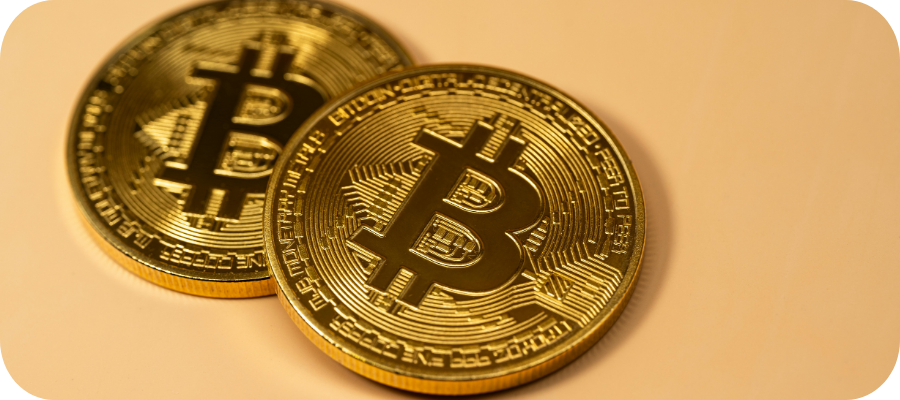
When you send crypto to a deposit address, the coin name matters less than the decisions your wallet forces you to make. Most transfer confusion comes from two places: sending the right asset on the wrong network, or assuming confirmation timing is fixed when it is not. The clean way to compare BTC, ETH, and USDT is not by narratives or price charts, but by measuring friction at send time, and clarity after you hit confirm.
From Theory To Transfer: A 3-Question Frame That Prevents Mismatches
When you are choosing which cryptocurrency to use, it can help to think about the transfer less as a matter of sending a coin and more in terms of planning a route. The goal is simple: reduce the number of places you can be wrong while keeping the transfer easy to verify after it leaves your wallet. That is why this section uses a tight decision frame, not a long set of rules.
First, ask yourself three questions: How easy is it to pick the correct network? How predictable are the fees at the moment you are making the transfer? How clearly can you track the status once the transaction is broadcast? Pick the option that lowers uncertainty for your specific deposit, and you stop relying on guesswork.
It might help to ground the process by looking at a real deposit flow, instead of leaving the concept abstract. Lucky Rebel is a crypto-enabled casino platform that lists BTC, ETH, and USDT as deposit options, which makes it a great test case for learning how to choose a cryptocurrency. First off, BTC. BTC is typically the simplest option because you won’t have to worry about choosing the right network, so your main decisions will be based around fees and timing.
ETH is also straightforward when you are sending native ETH to an ETH address. USDT, however, is where some people get tripped up, because many wallets offer USDT on several networks that look similar at a glance. If the destination accepts only certain USDT routes, then this can cause issues. Always double-check the network label, instead of treating it as an optional extra.
Whichever cryptocurrency you decide to use, you should treat the deposit step as a matching exercise: asset, network label if present, destination address, and any extra identifier if shown. Mirror those choices in your wallet send flow. That is why Lucky Rebel works as a practical example: it makes the asset, route, and address check explicit before you send.
It’s also important to consider how long different coins will take to arrive, and to keep in mind that this can vary depending on how congested the network is and how large a fee you add. Once you understand that timing depends on network conditions and fees, delays feel less frustrating. For a neutral explanation of how Bitcoin prioritizes transactions and why estimates can change, the mempool FAQ is a quick reference you can skim when something is pending longer than you expected.
The Mechanical Differences That Actually Matter
Start with the network selection burden. BTC is simple because there is usually only one network choice. ETH is simple when you send ETH, but tokens can introduce extra choices that look similar in a wallet. USDT is where network labels matter the most. If your wallet offers USDT on multiple networks, the label is not decoration; it is part of the transfer route.
Next is fee predictability. BTC fees behave like a live queue, and higher fees usually move sooner under congestion. ETH fees are also dynamic, but many wallets present them with clearer slow-to-fast presets. With USDT, remember the fee is paid in the network’s native asset, not in USDT.
Finally, trackability. Save the transaction hash. This code will help you identify your transaction in future if that becomes necessary for any reason.
When Each Option Is the Simplest Choice
Choose BTC when you want fewer decision points, and you are comfortable selecting a fee based on urgency. If you can tolerate variable timing, BTC keeps the “what network is this on” question out of the way.
Choose ETH when the destination supports ETH, and you want a familiar send flow with detailed explorer pages. The key is to treat ETH and a token that rides on Ethereum as different things, even if they sit in the same wallet.
Choose USDT when the destination explicitly supports the USDT network route your wallet is using, and you have the fee asset for that route available. It can be a practical deposit option, but it rewards careful checking.
A Fast Decision Path for First-Time Deposits
If you are making a first deposit and you want minimal friction, prioritize the route with the fewest ways to mismatch. In practice, that usually means BTC or ETH unless the USDT network is stated clearly and you can match it exactly.
Before you confirm, do a 10-second match check: asset, network label, and destination address. Then copy or save the transaction hash immediately. If you want to check on your transaction afterwards, you can use the transaction hash to see whether your transfer is pending, confirmed, or still unbroadcast.