Crypto cards let people spend digital assets like cash, but not every card works the same way. Many providers offer different terms, costs, and limits, which can affect how useful the card will be in daily life. Choosing without checking the details can lead to avoidable costs or limits.
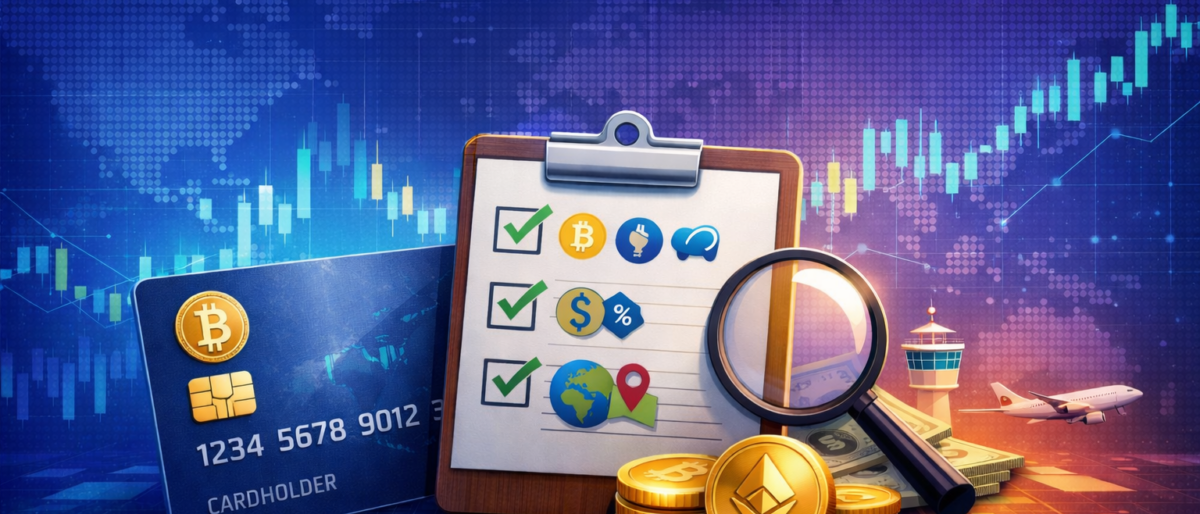
Before getting a crypto card, they should review the fees, supported currencies, and where the card actually works. These factors shape how much they pay, what they can spend, and how easily they can use the card at home or abroad. A careful review helps them decide if a crypto card truly fits their needs.
- Check card fees including transaction, issuance, and conversion costs
Crypto cards often come with several types of fees. Users should review transaction fees first. Many providers charge a percentage of each purchase, similar to standard card processing costs that often range from about 1.5% to 3.5% of the payment amount, sometimes with a small fixed fee added.
Issuance and monthly fees also matter. Some cards charge a one-time setup fee, while others bill a monthly or annual maintenance cost. A person comparing options may look at the best crypto card choices and notice that fee structures vary based on features, limits, and supported assets.
Conversion costs can have the biggest impact. When a user pays with crypto, the provider may convert digital assets into local currency at the point of sale. This process can include a spread on the exchange rate or a separate conversion fee. Even a small percentage difference can add up over time.
Foreign transaction fees may apply as well. If the card processes payments in another currency, the network or issuer might add an extra charge. Users who travel or shop across borders should check this closely.
Some providers focus on stablecoin spending, such as options that support USDT or USDC for everyday payments through services like stablecoin spending. In these cases, users should confirm whether the platform charges extra for loading, holding, or converting stablecoins before purchase.
Clear fee disclosures help users compare cards in a direct way. They should read the full pricing page, check for hidden spreads, and calculate real costs based on their spending habits.
- Verify supported cryptocurrencies and fiat conversion options
A crypto card does not always support every digital asset. Some cards only work with major coins like Bitcoin and Ethereum, while others include stablecoins or a wider list of tokens. A user should review the full list of supported cryptocurrencies before applying.
He or she should also check whether the card allows direct spending from crypto or requires manual conversion to fiat first. Some providers automatically convert crypto to local currency at the time of purchase. Others require users to sell their crypto balance in advance through the app.
Fiat currency support matters just as much. A card may only settle transactions in USD or EUR, even if it works in many countries. If the user plans to travel or live abroad, they should confirm which fiat currencies the card can hold and convert into.
Conversion fees and exchange rates can vary between providers. Some platforms add a spread on top of market rates, while others charge a fixed percentage per transaction. Clear pricing helps users understand the real cost of spending crypto.
Security and timing also play a role in fiat conversion. Many cards convert crypto instantly at the point of sale, which reduces exposure to price swings. Users should review how the provider handles volatility and whether they can lock in rates before completing a transaction.
By checking supported assets and conversion rules in advance, they avoid limits and surprise fees when making everyday purchases.
- Assess merchant acceptance and usability worldwide
He should confirm where the crypto card will actually work. Many cards rely on major payment networks like Visa or Mastercard, which means merchants that accept those networks will usually accept the card. However, acceptance still depends on the country, the merchant’s payment system, and local rules.
Some merchants accept crypto directly, but most crypto cards convert digital assets into local currency at the point of sale. This process allows the transaction to move through standard payment rails. It often improves approval rates, but it may include conversion fees or exchange rate spreads.
They need to check if the card works for online, in-store, and contactless payments. Not all cards support recurring payments or subscriptions. Certain regions may block crypto-related transactions due to regulation or internal risk policies.
International use also matters. A card may work well in one country but face limits abroad. Foreign transaction fees, currency conversion costs, and ATM withdrawal charges can add up quickly.
He should review the issuer’s supported countries list and any geographic restrictions. Some providers restrict usage in sanctioned regions or high-risk markets. Others may freeze transactions that trigger fraud monitoring systems.
Usability also includes how fast transactions settle and how refunds are processed. Delays in crypto conversion can affect the final charged amount. Clear policies on refunds and chargebacks help avoid confusion.
They benefit from choosing a card with strong merchant coverage and transparent terms. Wide network acceptance and clear fee details reduce payment issues during travel or online shopping.
Conclusion
Anyone who plans to get a crypto card should review fees, supported coins, and security features before applying. They should also check how the card converts crypto to cash, what rewards it offers, and whether regional limits apply. Clear terms, strong account protection, and stable spending options help reduce risk and surprise costs. Careful research helps them choose a card that fits their spending habits and risk level.