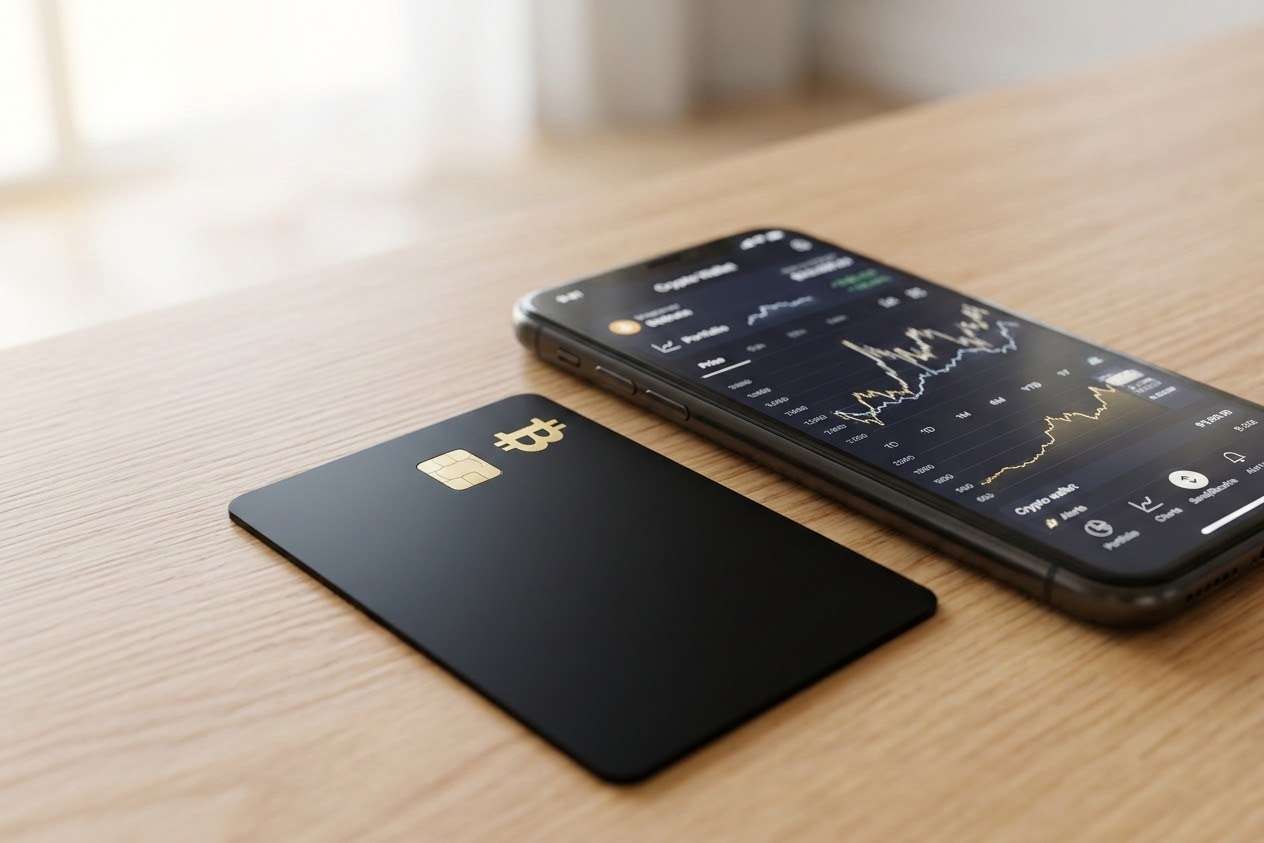
Crypto debit cards are becoming more and more popular. As the cryptocurrency marketplace continues to rapidly grow, seeing the involvement of a rising tide of investors, these cards are becoming a more important part of our daily financial lives.
In order to get the best crypto debit card, it is important that you have as much information about these cards as possible. They are simple to use, but there are a few things to know before you make the leap and get one for yourself.
Custodial vs. Non-Custodial
Perhaps the most significant difference in these cards is how they handle custody. Custodial cards come from central platforms that hold your funds and private keys for you. It’s the same as signing up for a big exchange, offering regulatory compliance and even app integration for the utmost convenience.
Non-custodial cards, on the other hand, are connected to your personal wallet. This gives you total control over your own wallet and assets, just make sure to keep track of your keys. Transactions are still exchanged into a fiat currency when you checkout, though, so the end result can be the same at checkout.
Bitcoin vs. Multi-Asset Cards
Bitcoin is the King of Coins, the most talked-about coin in cryptocurrency news. That said, it is far from the only token available. When you choose a crypto debit card, it is important to know whether you will go with a Bitcoin card or one that provides access to multiple assets on one card.
The latter is starting to become standard among the big crypto debit card companies. These support not only Bitcoin but also Ethereum, stablecoins, alt-coins, and more. Multi-currency cards give consumers the option to use a number of different currencies all through one convenient card, further bridging the gap between different financial avenues.
Linked Wallet vs. Prepaid Crypto Cards
Another important distinction involves prepaid crypto cards and linked wallet cards. The former means that you put a specific amount of money on the card before it can be used. When that money is gone, the card cannot be used. If you want to keep spending in control, a prepaid card is a fantastic option.
Linked wallets, meanwhile, can be connected directly to your virtual wallet or exchange. This allows you to spend the money in your crypto account as you see fit, with each transaction being converted to fiat currency in real-time. For those who actively trade, it may be the better choice.
Read the Fine Print
Maybe one of the most important things you can do when choosing a crypto debit card is to read the fine print. This is the place where you will find out about the various fees, hidden costs, and limitations that come with the card as per the issuer.
For instance, there may be spending limits, ATM withdrawal limits, foreign exchange markups, and conversion fees. Also, check for any potential annual fees (most don’t have these but be safe). It is all about knowing what this card could potentially cost to use; it may not be worth it after reading the fine print.
Find the Right Fit for Your Financial Needs
When you check out any guide for crypto debit cards, it is critical to know which kind of card works best for you. Each has its perks and downsides. Going into the process with as much information as possible means that you will find the kind of card that works best for your own financial needs and keeps the frustration to a minimum.