ADA doesn’t have a single live price. Pull a quote from CoinGecko, a centralized exchange, and a DEX at the same moment, and the three figures won’t match. While this difference may not matter for long-term holders, for active traders, the choice of feed directly affects outcomes.
This guide covers how to choose a live ADA price source for your needs and the factors influencing Cardano’s price in 2026.
TL;DR
- The right tool depends on whether you’re trading, assessing market sentiment, or just keeping an eye on your holdings.
- Exchange price pages give you the most accurate live figure since they pull directly from the order book.
What “Live ADA Price” Actually Means
The number you see can be a spot price, a last trade price, or a volume-weighted average (VWAP). Spot price reflects the current best available bid and ask on a given exchange.
Last trade price shows what someone paid in the most recent transaction, which during slow periods could have happened minutes ago, while the current bid and ask have moved since.
VWAP takes every trade in a given time frame and averages them, with bigger trades counting more than smaller ones. It tells you where the market has been, not where it is right now.
This is why prices often differ across platforms. CoinGecko might show a higher or lower ADA price than a live exchange feed at the same moment. Neither is necessarily wrong, since they’re measuring the price in their own way.
Where to Track Cardano’s Price in 2026
There are several categories of tools, each of them serving different purposes.
Exchange price pages are the closest source to the actual market. They pull numbers directly from live order book activity, so the prices reflect what you’d actually pay or receive if you traded at that moment. Cardano (ADA) live pricing on OKX shows spot price, 24-hour volume, market cap, historical chart data, and price across trading pairs, all sourced from the exchange’s own order book. If you want to know what ADA costs to buy today, this is the most accurate answer.
Aggregators like CoinGecko and CoinMarketCap average data across dozens of exchanges. This is useful for a broad market picture, but it isn’t the price you’ll get on any specific exchange.
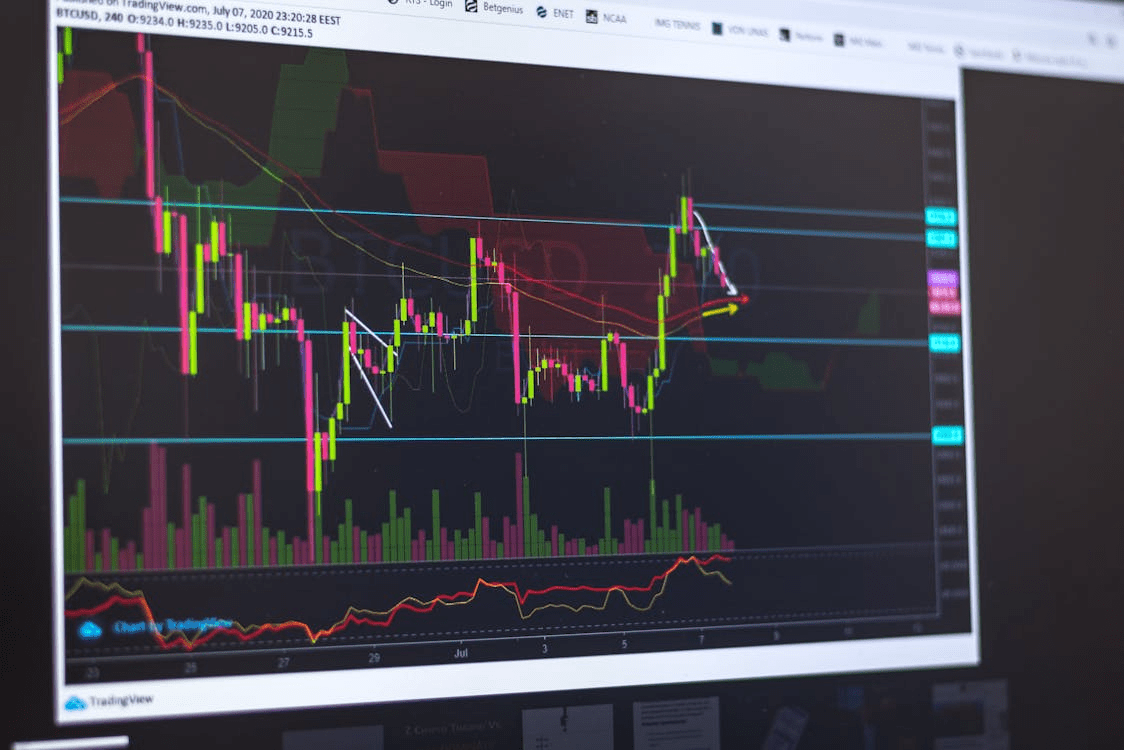
Charting platforms like TradingView combine price data with technical analysis tools. If you’re looking at support levels, moving averages, or volume trends, this is the right tool. For a simple price check, it’s overkill.
Mobile portfolio trackers like Delta or CoinStats show prices for all the assets you hold in one dashboard. Data quality varies by app and by which exchange feeds it pulls from, so it’s worth checking the source before treating those numbers as authoritative.
What to Look for in a Cardano Price Page
A useful price page should show the current spot price, 24-hour change, trading volume by pair, market cap, circulating supply, and price history with an adjustable time frame. Conversion to your local currency is a nice extra.
Some platforms omit circulating supply, or show market cap without clarifying whether it’s based on circulating or total supply. The two figures aren’t the same, and using the wrong one inflates or deflates how ADA’s valuation looks.
Setting Up Alerts and Monitoring ADA Consistently
Most exchanges let you set alerts that trigger at specific price levels. Tools like TradingView also offer alerts tied to technical conditions, such as a price crossing a moving average or volume spiking past a threshold.
It’s worth noting that tight alerts on a volatile asset generate a lot of noise. Most experienced traders set alerts at a handful of specific levels, a support zone, a resistance level, a percentage threshold that actually matters for their position size, and ignore the rest. Alerts on every minor move will keep you busy without adding much clarity.
Conclusion
No single tool covers everything. A live exchange price page shows what you’d pay or get when you’re ready to trade, charting platforms help you forecast where the price might be heading, while on-chain explorers like Cardanoscan give you the network activity picture that price alone can’t show.
Either way, you should know how your source measures the price and what it’s leaving out. Price data is only useful when you understand what it represents.