Online casino growth in the United States has slowed to a trickle of new states in recent years, but the direction of travel hasn’t changed. Industry watchers keep describing the same pattern: a handful of states legalise, momentum stalls for a stretch, then another state joins the list. The debate isn’t really about whether iGaming spreads further, it’s about how long that takes and what shape the market looks like once it gets there.
That’s worth paying attention to because the more interesting shift isn’t legislative, it’s operational. As more states edge toward regulation, operators are having to compete on something other than game selection or bonus size. Deposit and withdrawal speed has quietly become one of the biggest factors in whether a player sticks with a site or drifts elsewhere. The American Gaming Association’s State of the States 2026 report found that iGaming revenue across the seven states with lawful online casinos grew 27.6 per cent to a record $10.73 billion in 2025, and a good chunk of that growth is driven by convenience rather than novelty.
Players want to fund an account and, more importantly, withdraw their money without friction.
Nowhere is that clearer than in markets where regulation has already matured. The UK’s online casino sector has spent well over a decade refining exactly this problem, and one of the clearest signs of what “sorted” looks like is the rise of UK PayPal casino sites, which let players move money in and out using an account they already trust for everyday shopping, without handing card details to yet another platform. It’s a small thing on paper, but it removes one of the biggest points of hesitation for anyone new to depositing online.
That distinction matters more as US states inch toward legalisation. Executives at brick and mortar casinos have already voiced concern that customers won’t bother travelling to a physical venue if they can play from a phone, and that concern only sharpens once payments stop being a hassle. A slot machine that takes seconds to cash out beats one that takes days, whether it’s sitting on a casino floor or inside an app. The UK Gambling Commission recently confirmed it will introduce financial risk assessments in a staged approach, designed to flag high spending customers without adding the kind of document heavy checks that used to slow payments down and push players toward slower, clunkier verification routes.
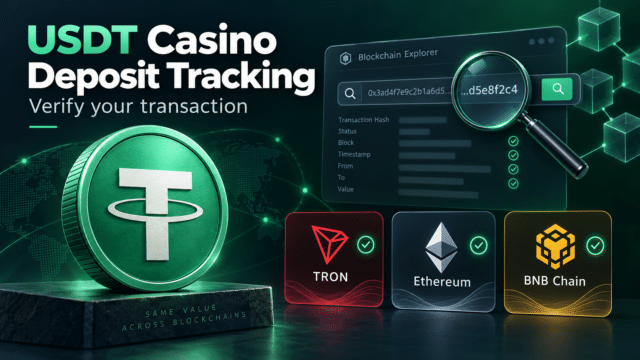
For an audience that already spends time thinking about how value moves, whether that’s stablecoins settling in seconds or a traditional e-wallet clearing a withdrawal overnight, the parallel is hard to miss. Crypto casinos built their pitch around speed and low friction from day one. Regulated fiat operators are now chasing the same reputation, just with older rails. PayPal, Trustly and similar e-wallets are effectively doing for traditional online casinos what stablecoins are doing for crypto platforms, cutting out the slow middle step between placing a bet and actually having your winnings.
None of this means US iGaming expansion is about to accelerate overnight. Unions representing casino staff remain wary of job losses, and several states have shown little appetite for fast-tracking new legislation. But the operators positioning themselves for whenever that expansion does happen are the ones already treating payment experience as core product, not an afterthought bolted on at launch.
If there’s a lesson the US market can borrow from the UK’s more mature setup, it’s this: the games will always be similar enough from one operator to the next. What separates a casino players stay loyal to from one they try once and abandon increasingly comes down to how fast, and how painlessly, they can get their money moving both ways. Coinranking readers who track how different rails handle speed and settlement risk will recognise the pattern instantly, it’s the same competitive pressure crypto has already forced onto legacy finance, just showing up a few years later in gambling.