The online world has an average of 153.9 million financial transactions per day, according to a report from the Bank of England.
That equates to a lot of buying, selling, and money being sent back and forth. Suffice it to say, when customers are paying for a service, or they are buying an item, they have higher expectations around the payment process and system, meaning that for a business to be successful, it has to pay more attention to the role that online payments play in their website users’ experiences.
So, if you are looking to create an online system where goods or services are purchased, how does the payment system impact the success of the page?
Instant Payments
With the speed of the internet increasing, website users expect financial transactions to be quicker.
Suppose a person was on an iGaming website and they wanted to ensure that it was a legit website for depositing money and withdrawing cash. They would undoubtedly want to be able to deposit money into their gaming wallet (a common feature of online gaming) and would also want to know that any cash that they won would be back in their bank account fairly quickly.
In this instance, players often prefer a reputable online casino like Grizzly’s Quest when choosing where to play and where to deposit their money. If the website has a slow payment system, it is not likely to have a positive impact on the website’s popularity.
Personalization
This is a feature that almost everyone who has purchased anything from eBay or Amazon has had, but hasn’t actually thought about it!
A personalized payment system makes transactions faster, smoother, and easier to track. For example, if someone wants to purchase an item or make a deposit with a certain debit card, a payment system that remembers this card (and asks if the person wants to save it to the site) will ensure that there is less frustration at the next checkout session. This reduces the effort of having to input card numbers and security codes, and is a boon if the website itself is offering a monthly subscription service.
Trust and Security
When it comes to money, the security of the payment system used on a website is no longer “nice” to have; it is a core part of the website experience and can even impact areas like search engine optimization (or SEO). So, website users want to make sure that if their bank details are saved, they will not be leaked during a data breach.
For new websites and even those that have multiple transactions a day (like a gaming website), having a branded name for the payment system is useful. Think brands like Visa and Mastercard, and you have the right idea.
Invisible Payments
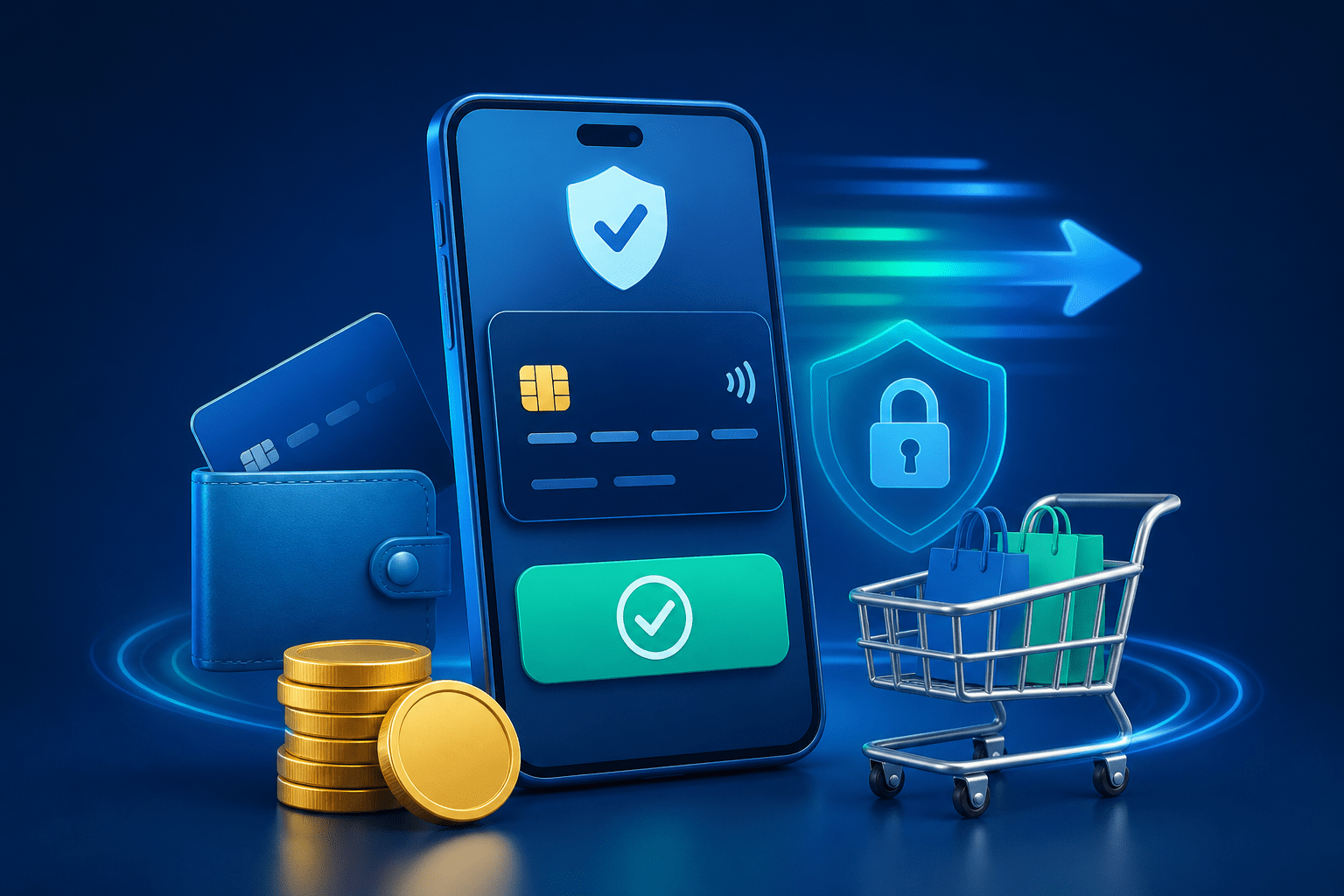
All of the aforementioned tips can lead to more website users expecting what is called an invisible payment. This can be linked to a website’s monthly subscriptions, but can also be when a website uses the information saved on a phone (such as an e-wallet) to access payment, with the individual only having to enter their phone’s code for the payment to go through.
This is faster, easier, and allows the transaction to happen quietly, without details being entered. Hence, it is invisible.
Remember, modern website users expect any online payment system to be fast, reliable, and to have a good brand name. So, if you tick all of those boxes, your business will likely build reliability quickly.