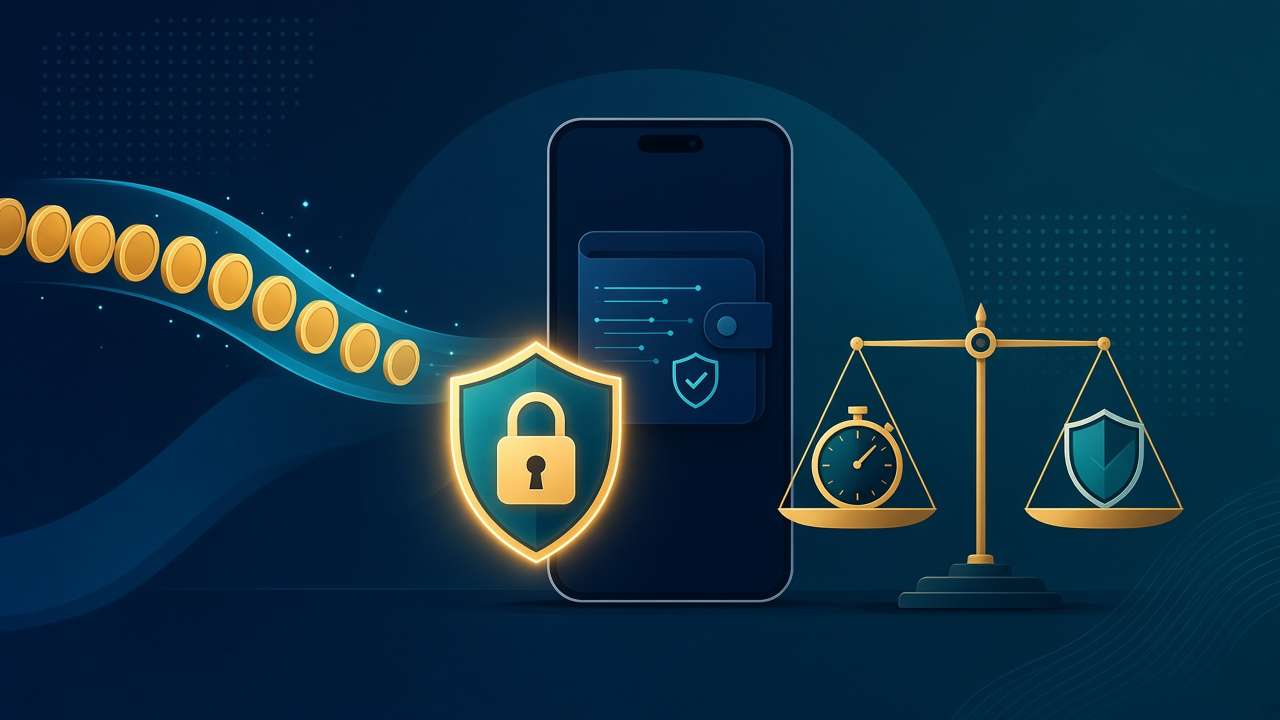
Moving money has never been faster and more convenient. From cryptocurrency transactions to digital wallets, digital developments have transformed how people transfer funds, purchase goods, and manage their finances.
Yet speed is only one part of the equation.
When money moves online, security remains essential. That’s certainly the case when more malicious threats exist online than ever. The problem: prioritizing convenience over protection can expose users to unnecessary risks.
As the evolution continues with financial technology, businesses and consumers alike must recognize why strong security measures matter just as much as efficient transactions.
Why Speed Isn’t Everything
Instant payments have become an expectation. Consumers want transactions completed within seconds, while businesses benefit from receiving payments without unnecessary delays. Cryptocurrency networks have only contributed to this advancement.
However, a fast transaction isn’t necessarily a secure one. Once a cryptocurrency transfer has been confirmed on many blockchain networks, reversing it is extremely difficult or impossible. That means sending funds to an incorrect address or falling victim to a scam can have serious consequences.
Taking a moment to check transaction details and confirming the legitimacy of a recipient can prevent costly mistakes. Ultimately, a short delay for verification is preferable to losing funds through a preventable error.
The Security Measures Behind Digital Payments
For secure online transactions, this depends on several layers of protection working together. Yes, blockchain technology provides transparent, verifiable transaction records. Yet it’s still down to users to protect their wallets, devices, and account credentials. Important security practices include:
- Strong authentication
- Address verification
- Secure connections
- Wallet protection
- Fraud awareness
Businesses also have responsibilities. From secure payment processing and transaction monitoring to clear procedures for identifying suspicious activity, these measures can protect customers and reduce the likelihood of financial fraud.
Balancing Payment Speed and Security: An Example
For a useful example of how payment speed and security must work together, look no further than online casinos.
Players expect deposits to be processed quickly so they can access their funds without unnecessary waiting. As seen at Gaming Club online casino, deposits are usually processed instantly. However, the exact timing depends on the payment provider and any required checks.
Withdrawals typically take longer because the process can involve additional verification, payment provider processing times, and the platform’s own security procedures. These checks cannot be undersold. They help identify unusual activity and guarantee funds are transferred appropriately.
Yes, waiting for a withdrawal is a little inconvenient. Processing speed, however, shouldn’t be the sole measure of a payment service’s quality. Clear communication, appropriate verification procedures, and reliable handling of financial information are equally important. That’s a point applicable across digital finance in general.
Why Verification Builds Trust
For digital payments, trust depends on more than a transaction’s completion time. Users demand confidence that their information is handled responsibly. The same is said for account protection and that any problems are resolved through clear support systems.
For crypto users, knowing the risks associated with irreversible transfers is key. Businesses handling online payments must also explain their procedures clearly, which allows customers to see why certain checks are necessary and what to expect when transferring funds.
With transparency in place, security measures feel less like obstacles and more like an essential part of a reliable service.