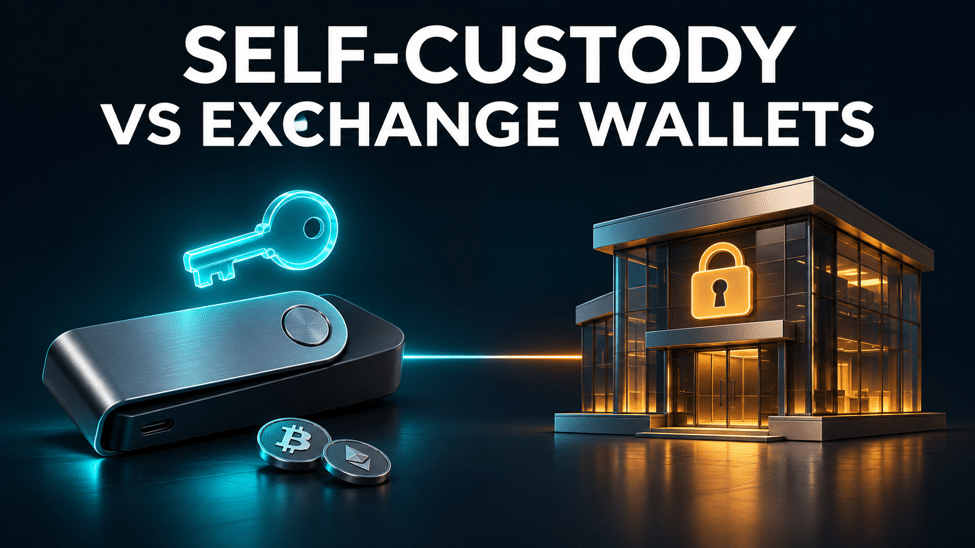
If you’re looking to begin wagering at an online casino, you basically have two options: use a wallet you control or send crypto to a casino straight from an exchange.
Mostly, people will advise you to always use your own wallet where you have self-custody. While it’s often considered the best option, self-custody has its own traps. Let’s walk through both.
Self-Custody vs Exchange Wallets: What’s the Difference?
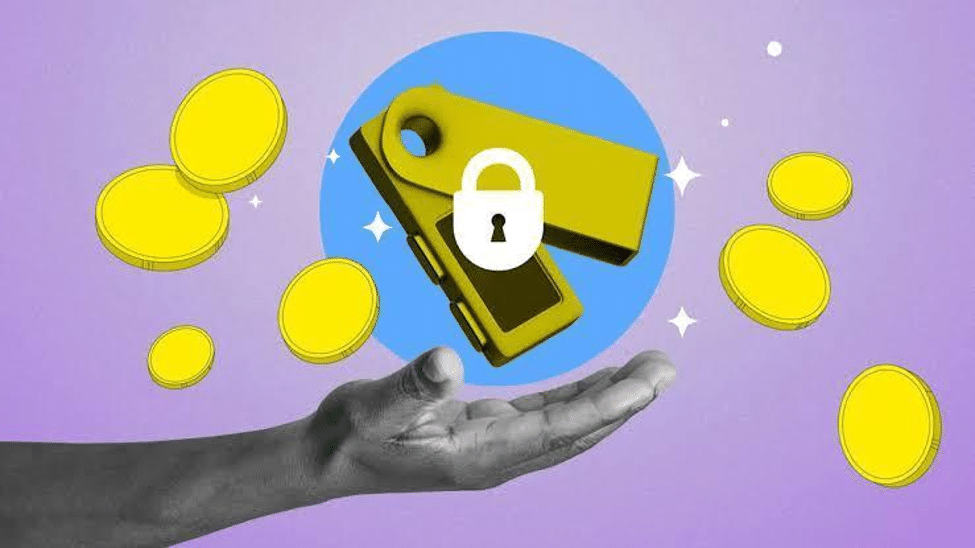
An exchange wallet is custodial. That means that an exchange such as Binance or Kraken, maintains possession of the private keys. Although you see a balance in your exchange wallet, you actually hold an “IOU” or “I owe you”.
On the other hand, a self-custody wallet operates differently. A self-custody wallet allows you to have control over your keys. This is typically done with the aid of a seed phrase of 12 or 24 words. MetaMask, Phantom, Trust Wallet, Ledger, Trezor, etc., are some examples of self-custody wallets.
That one difference changes everything about gambling.
| Factor | Exchange wallet | Self-custody wallet |
| Who holds the keys | The exchange | You |
| Can funds be frozen? | Yes, by the exchange | No, by anyone else |
| Gambling allowed? | Often restricted in terms | Your call |
| Password recovery | Yes, via support | No; lose the seed, lose the funds |
| Fees to send | Withdrawal fee set by exchange | Network fee only |
| Privacy | Full KYC, every transaction logged | Pseudonymous on-chain |
| Best use | Buying and selling crypto | Holding and spending it |
The Big Risk with Exchange Wallets: Frozen Accounts
Here’s what most new players who use exchange wallets learn the hard way. Many major exchanges restrict gambling in their user agreements. Some block transfers to known casino addresses. Others let them through, then flag your account later.
The pattern looks like this. You deposit to a casino. Then you win. You withdraw back to the exchange. Their compliance team sees money arriving from a gambling address. Your account gets locked “for review”. Now your winnings and your savings are stuck together.
It doesn’t happen to everyone. But it happens enough that it isn’t worth the gamble. There’s also the bigger risk. Exchanges fail. When FTX collapsed in November 2022, users lost access to billions. ‘Not your keys, not your coins’ isn’t just a slogan.
The Big Risk with Self-Custody: You
Self-custody solves the middleman problem that exchanges have. In doing so, it also removes the safety net.
- If you lose your seed phrase. Your crypto is gone, and no support ticket can fix it.
- If you sign a malicious transaction, your wallet can get drained.
- If you choose the wrong network? Send USDT on the wrong chain, and recovery is hard or impossible.
- Scammers also send tiny transactions from look-alike addresses, hoping you copy the wrong one later.
Before transferring USDT, check which networks the casino supports. Comparing USDT casinos can help you narrow down your options, but always confirm the token and network directly in the casino’s cashier before sending funds.
None of these are reasons to avoid self-custody. However, they’re reasons to set it up properly and pay more attention to the process.
The Smart Setup: The Two-Wallet Method
From the above, we can see that both models have their drawbacks; that is why experienced gamblers have come up with a two-wallet method.
- Exchange: where they buy crypto.
- Vault wallet: They have a hardware wallet or a cold-storage wallet for savings, which they never connect to casinos.
- Gambling wallet: they create a separate hot wallet, like MetaMask or Phantom, holding only what they plan to play with at the casino.
This is what the flow will look like; exchange → gambling wallet → casino. Winnings come back to the gambling wallet, while profits are moved to the vault when you’re ahead.
While this may look like a complicated process, it’s important because your exchange never sees a casino address. And if your gambling wallet is ever compromised, your savings aren’t in it.
Five Rules to Stay Safe in Self-Custody
If you want to secure your crypto assets in a self-custody wallet, here are five key rules you must abide by:
- Always write your seed phrase on paper. Not in Notes. Not in a screenshot. Not in email.
- Bookmark your casino. Never click casino links from DMs or ads.
- Test small first. Send a few dollars before sending hundreds.
- Check the first and last six characters of every address you paste.
- Revoke old approvals. If you’ve connected to Web3 casinos, use a tool like Revoke. cash now and then.
When an Exchange Wallet Still Makes Sense
Fair’s fair. There are cases. If you’re completely new to crypto and making one tiny test deposit, using an exchange is simpler. Some casinos also partner with on-ramps, so you can buy crypto directly in the cashier.
Just don’t make it a habit. And never route winnings back to an exchange account that holds your long-term savings.
Self-Custody vs. Exchange Wallets: Which Keeps Your Funds Safer?
In terms of gambling and protecting yourself from losing funds due to exchange freezing your account or losing funds due to being hacked by a third party and losing your funds entirely, self-custody is far safer.
Self-custody offers protection from being frozen by an exchange due to compliance issues with regard to your casino activity, separates your financial activities and reduces counterparty risk. The trade-off is that self-custody requires greater responsibility.
To maximise the benefits, protect your seed phrase like cash and keep two wallets. Always start with sending only a small amount of crypto, and you have beaten the top three reasons crypto gamblers lose money unrelated to games.
FAQs
Can Coinbase or Binance Ban Me for Gambling Deposits?
Exchanges can restrict or review accounts under their terms. Policies vary, so read yours.
Is MetaMask Safe for Crypto Casinos?
Yes, if you protect your seed phrase and only connect to sites you’ve verified.
Do I Need a Hardware Wallet to Gamble?
Not for your gambling wallet. Use one for savings you don’t plan to play with.