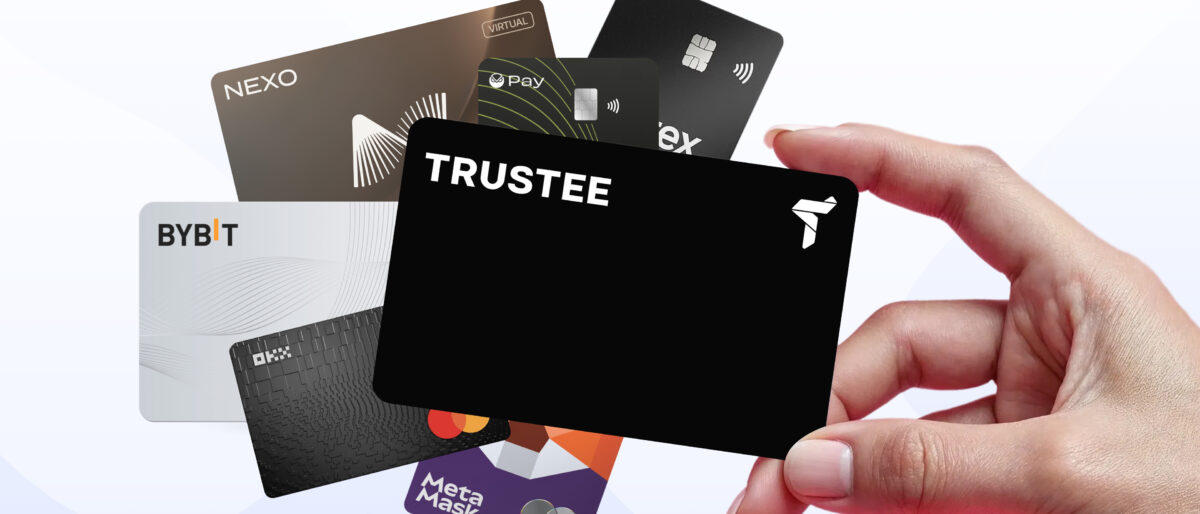
So, you’ve bought your first 100 USDC or a bit of Bitcoin. Congratulations, you are officially in crypto. But here is the real question: how do you use that money to buy a full basket of groceries at the supermarket, refuel your car, or pay for a taxi without going through the seven circles of hell?
The classic route — going to a P2P platform, selling your crypto, waiting for a transfer to your regular bank card, and hoping the bank’s compliance team doesn’t block your account for “suspicious activity” — is a complete relic in 2026. It is infinitely easier to issue a crypto card, add it to Apple Pay or Google Pay, and simply tap your phone at the checkout terminal.
The problem is that the market is currently flooded with dozens of crypto cards. If you are a beginner, it is very easy to choose one that will only bring you headaches. Some cards are buried deep within massive crypto exchanges, others require you to lock up their native tokens just to get the card, and some force you to navigate complex blockchain networks and gas fees.
That is why we compiled this ranking with a focus on the most important factor: intuitiveness. We arranged the 7 most popular crypto cards of 2026 from the most user-friendly “neobanks” to complex Web3 solutions where a beginner could easily get lost.
What Makes a Crypto Card Perfect for a Beginner?
When someone is just taking their first steps in Web3, they do not need complex dashboards, margin trading, or Japanese candlestick charts in the same app where they just want to check their card balance.
The ideal experience for a crypto newcomer rests on three pillars:
- The interface of a familiar bank. The app shouldn’t look like an airplane cockpit. A balance, transaction history, a “Top-up” button, and an “Add to Apple Pay” button — that is enough.
- Intuitive Balance Management. Massive exchanges confuse beginners with a maze of “Spot,” “Margin,” and “Funding” accounts. A truly user-friendly app separates your main crypto stash from your daily spending balance clearly and simply. You should be able to top up your card in one tap, knowing exactly how much you are allocating for your daily expenses, without navigating through complex trading terminals.
- A fast start. You download the app, pass a quick ID verification (KYC), and the virtual card is immediately in your phone. No waiting weeks for plastic in the mail, and no mandatory token staking.
Based on these criteria of simplicity, here is our ranking of the top crypto cards on the market.
Top 7 Crypto Cards for Payments
1. Trustee Plus — The #1 Cryptocard in Europe
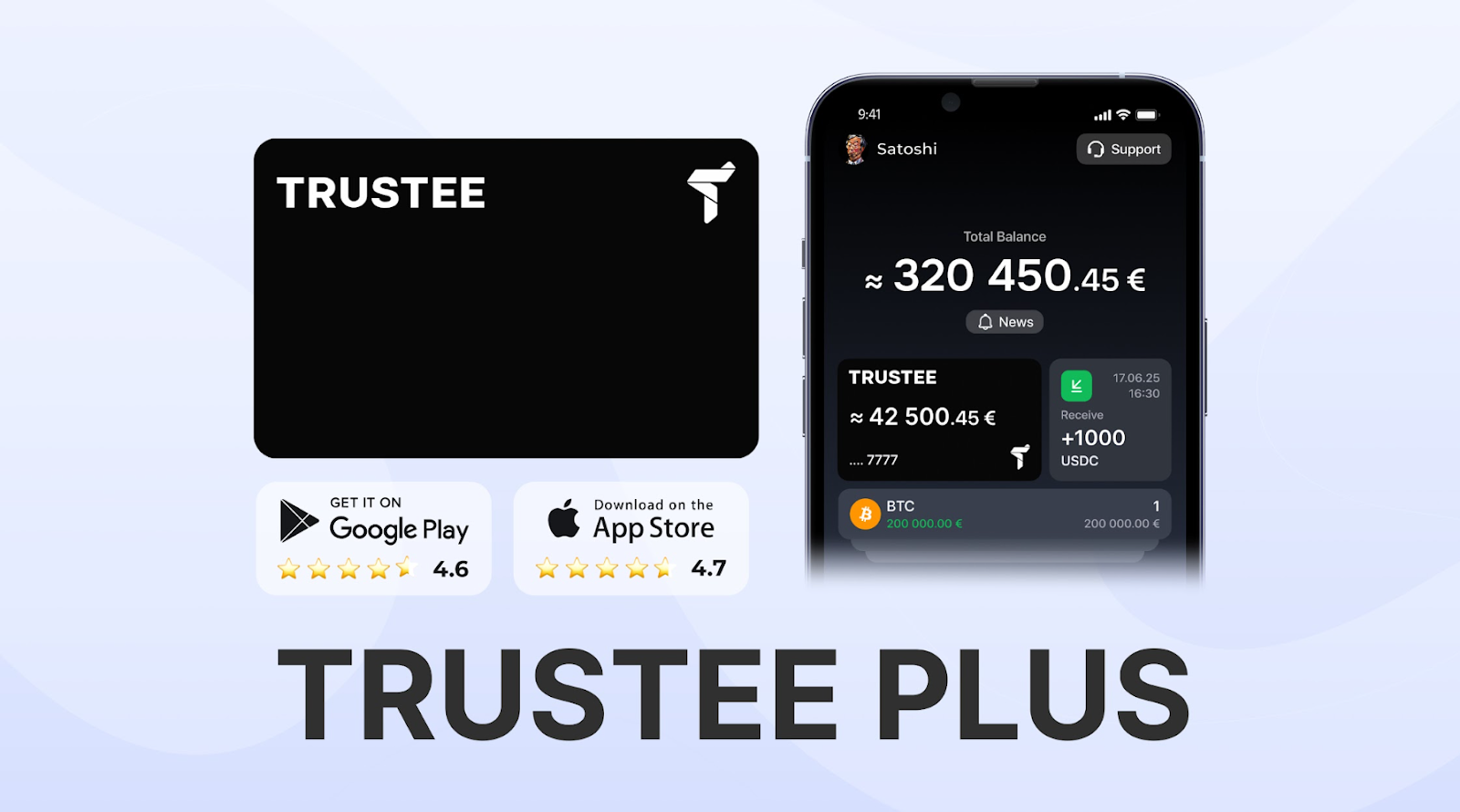
The Trustee Plus crypto card, created by cybersecurity specialists led by Vadym Grusha, offers zero-fee transfers, stablecoin swaps, and crypto top-ups. It works globally with EUR at any Visa/MasterCard terminal and offers built-in perks like a referral program, Trustee Points, and hotel discounts via Trustee Travel.
If you are new to crypto, terrified of pressing the wrong button, and just want your USDC to turn into groceries at the checkout — this is your absolute favorite. Trustee Plus looks and functions not like a complex trading terminal, but like a familiar mobile bank (think Revolut or N26), just powered by Web3 under the hood.
This isn’t just a wallet; it’s a full-fledged financial ecosystem packed into an incredibly intuitive interface. Here is why Trustee Plus takes the #1 spot in the European market in 2026:
- A Card in Apple Pay in 59 Seconds
This isn’t a joke or a marketing gimmick. You download the app, complete a quick document verification, tap the button to issue a virtual card, and it’s instantly added to your Apple Pay or Google Pay. Zero waiting time.
- A Full European IBAN
Trustee Plus erases the borders between crypto and fiat. The app provides you with a personal Euro account complete with IBAN details. You can receive standard bank transfers (SEPA) from your employer or friends, and then seamlessly swap those funds into crypto and back.
- Smart and Safe Spending Balance
Instead of getting lost in a labyrinth of trading accounts like on major exchanges, Trustee keeps it simple. You have your main crypto portfolio and your card balance. You top up your card from your wallet in just one tap. This not only makes budgeting easier but also acts as a safety shield, ensuring you don’t accidentally spend your main crypto stash. When you move your USDC to the card, the exchange fee is a fixed, transparent 0.5%, and receiving crypto into the app in the first place costs absolutely 0%.
- Referral Program (Earn with Friends)
Beginners often bring other beginners into crypto. Trustee has a powerful referral system: you share a link, your friend gets a card, and you earn up to 45% of the commissions from their exchanges. It’s a nice passive income just for recommending a convenient service.
- Why It’s #1 for Europeans
Issued in partnership with Mastercard, the card is fully legal and regulated in the EU. It boasts high daily spending and ATM withdrawal limits, covering the needs of both complete beginners and seasoned freelancers or IT professionals receiving their salary in crypto. Plus, it features live human support that answers clearly, rather than relying on robotic auto-replies.
2. Nexo — A Smart Hybrid Without the Noise
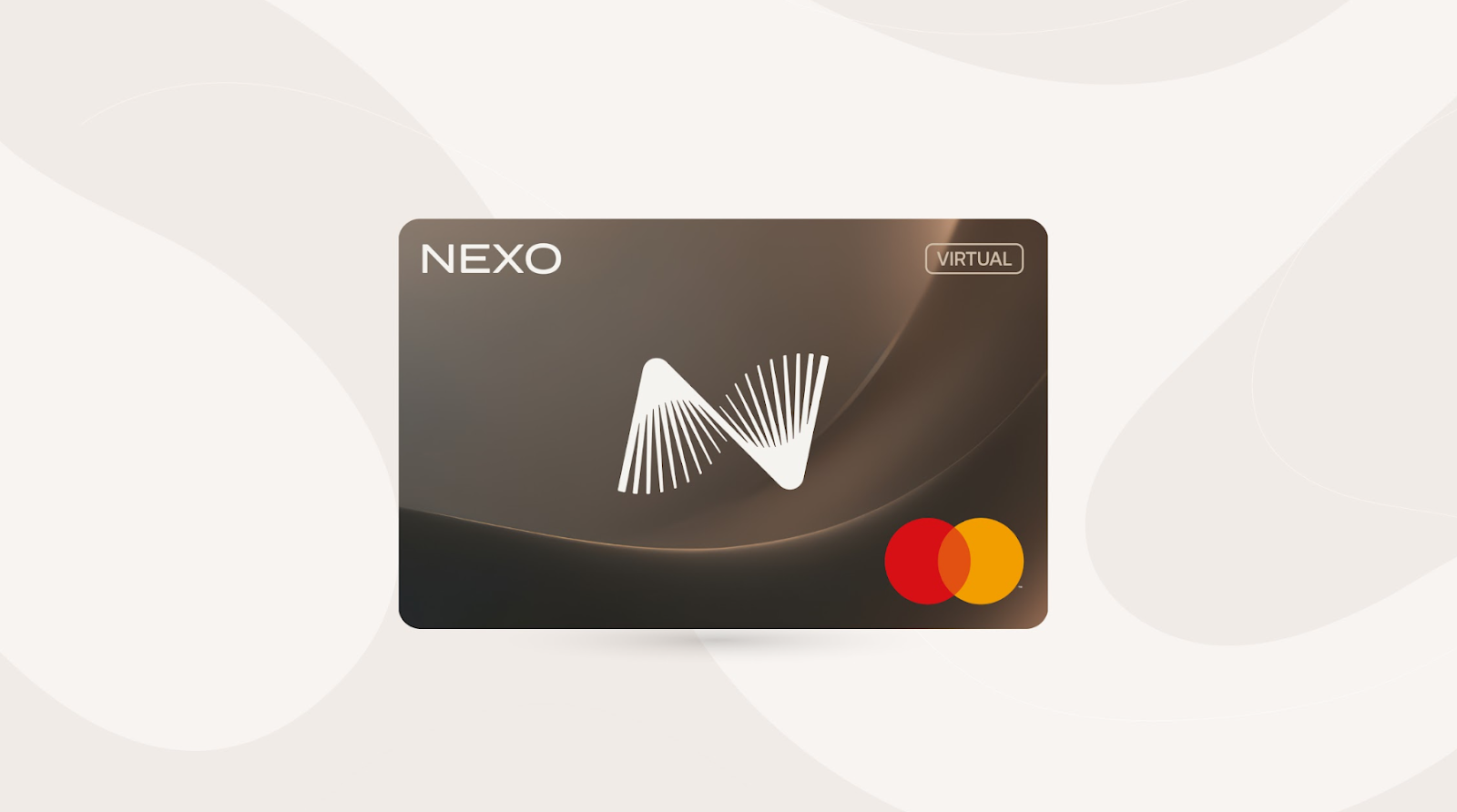
Nexo is a massive crypto platform, but its app is surprisingly clean. Their card has a killer feature: a dual-mode system (Debit and Credit) that you can toggle with a single swipe.
- Convenience: Very intuitive interface. You can either spend your crypto directly (debit) or take a loan against it (credit) so you don’t have to sell your assets.
- Why it’s in second place: The app pushes features like earning yields and crypto-backed loans, which might slightly distract a complete beginner, but the core payment functionality is top-notch.
3. Wirex — The Market Veteran
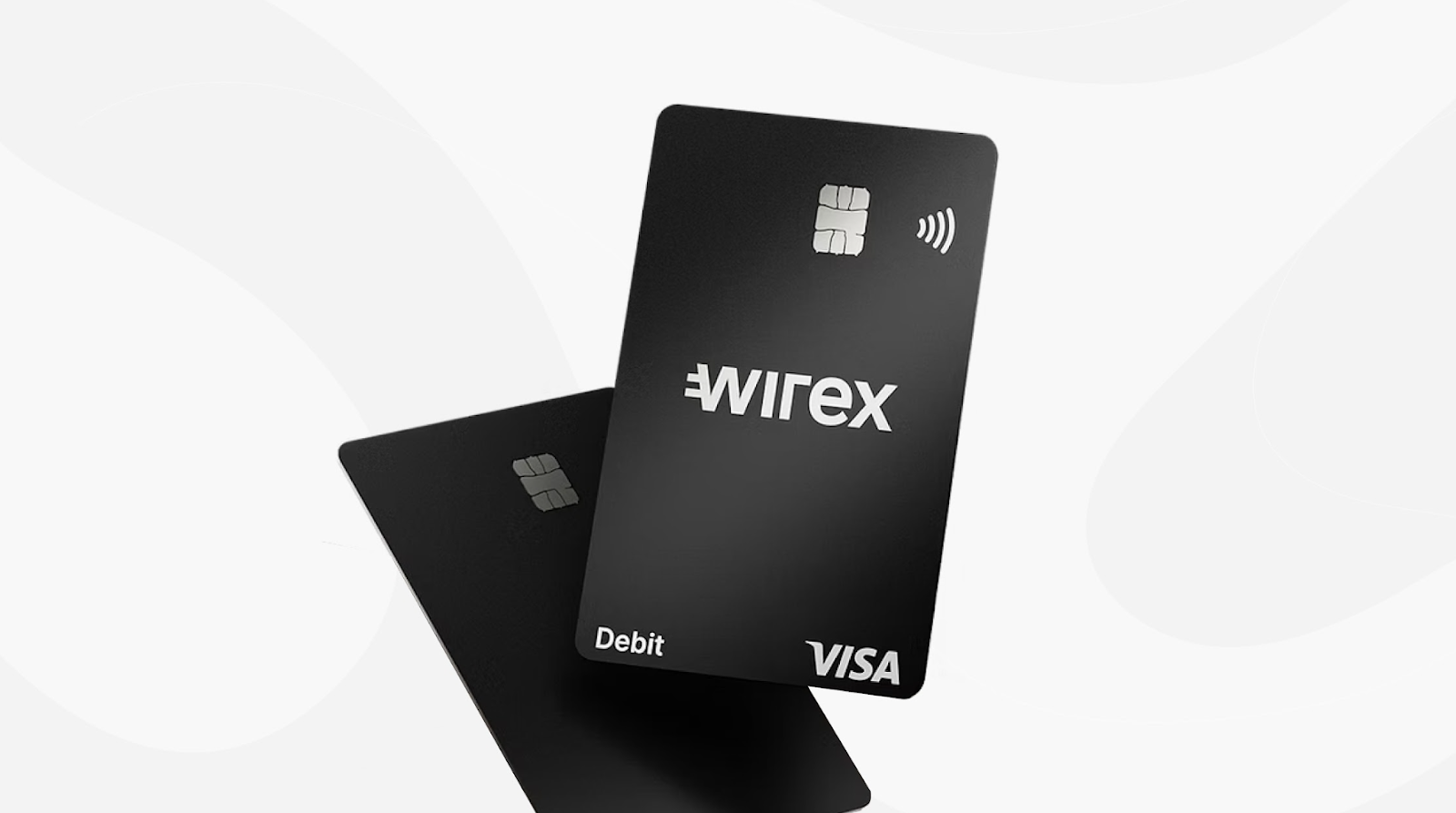
Wirex was one of the first companies to successfully merge crypto and fiat cards. It’s a reliable British app that also closely mimics traditional banking.
- Convenience: Works great with Euros, allowing you to open traditional currency accounts alongside your crypto balances.
- The downside for beginners: They have notoriously strict compliance policies (they might suddenly ask for proof of funds documentation), and certain pricing tiers include monthly account maintenance fees.
4. Bybit Card — The Best Exchange in Your Pocket
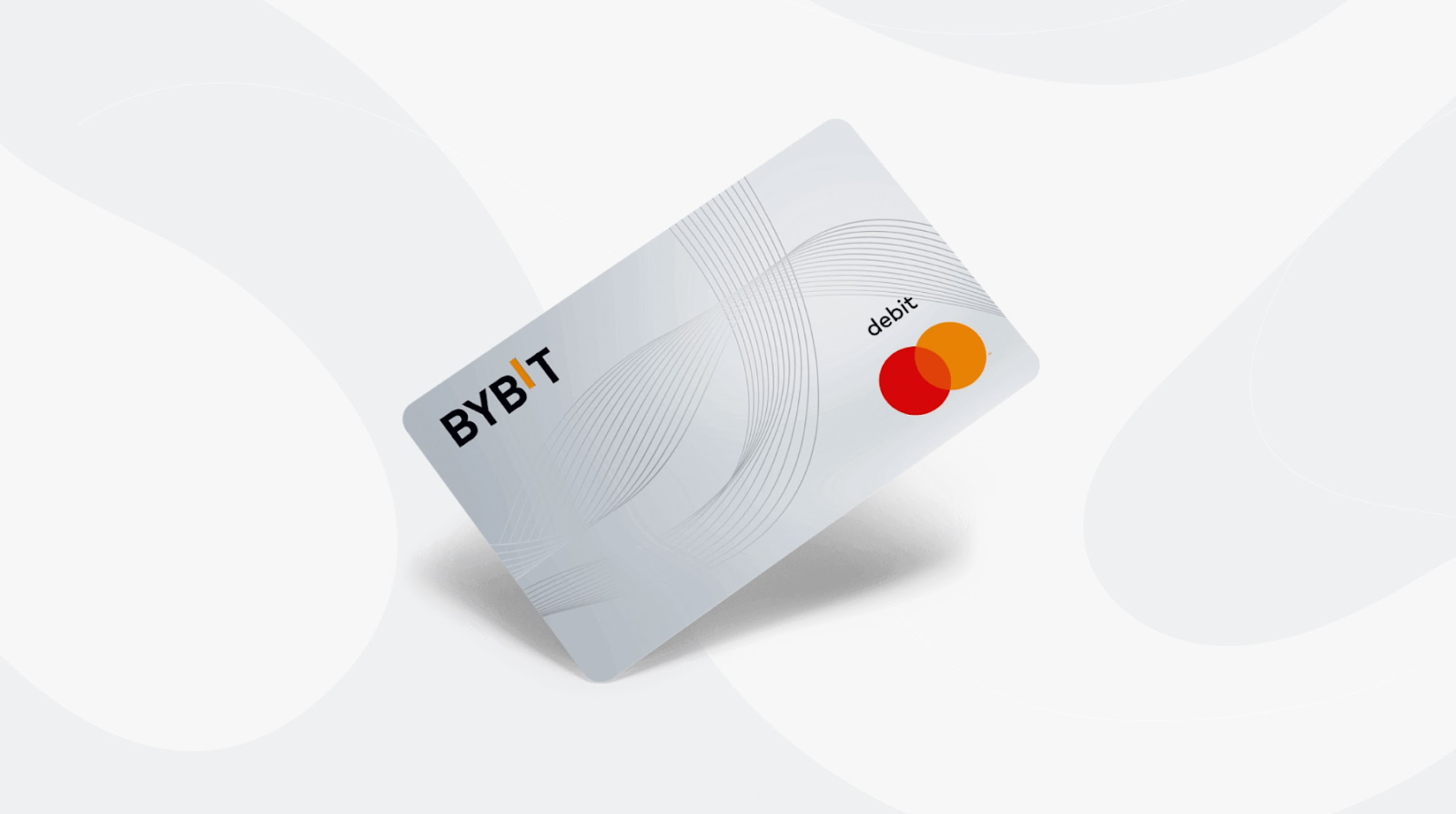
If you bought your first USDC on the Bybit exchange and don’t want to move it anywhere else, this card is the logical next step. It ties directly to your exchange account.
- Convenience: No network transfer fees to move funds to a third-party wallet. Your money sits on the exchange, and you spend it.
- Complexity for beginners: Bybit is a colossal crypto machine. You open the app and are bombarded with trading charts, bots, futures, and launchpads. Plus, for the card to work, your funds must sit in the specific “Funding” account, which frequently trips up newcomers at the checkout counter.
5. OKX Card — A Strong Competitor with Cashback
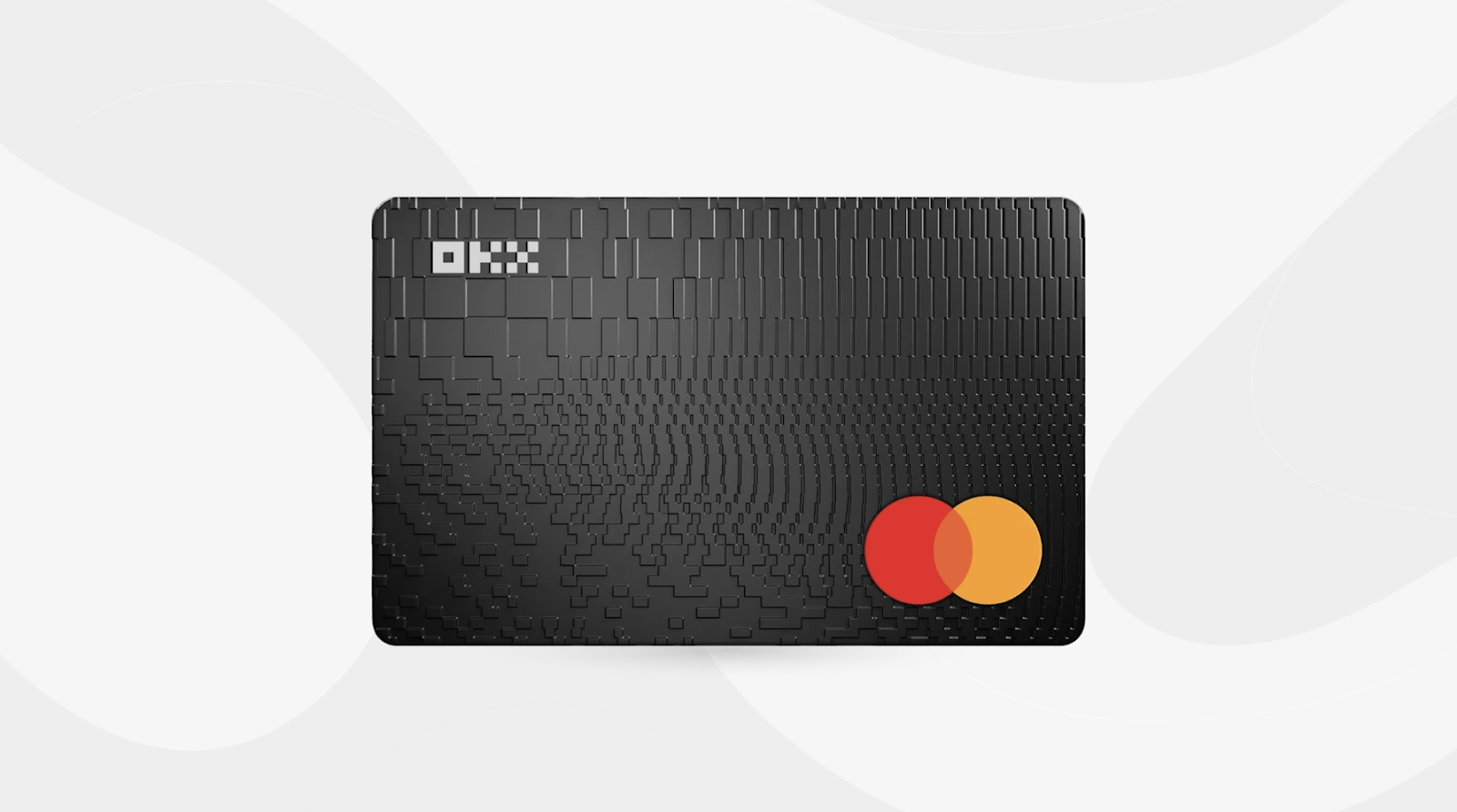
Another top-tier exchange card. An excellent option if OKX is your primary trading platform.
- Convenience: Generous limits and frequent promotional campaigns offering solid cashback on purchases.
- Complexity for beginners: It suffers from the exact same issue as Bybit. The app is overloaded with professional trading tools. The card functionality is hidden deep in the menus; it is definitely not a “one-click” application.
6. MetaMask Card — A Jump into Web3
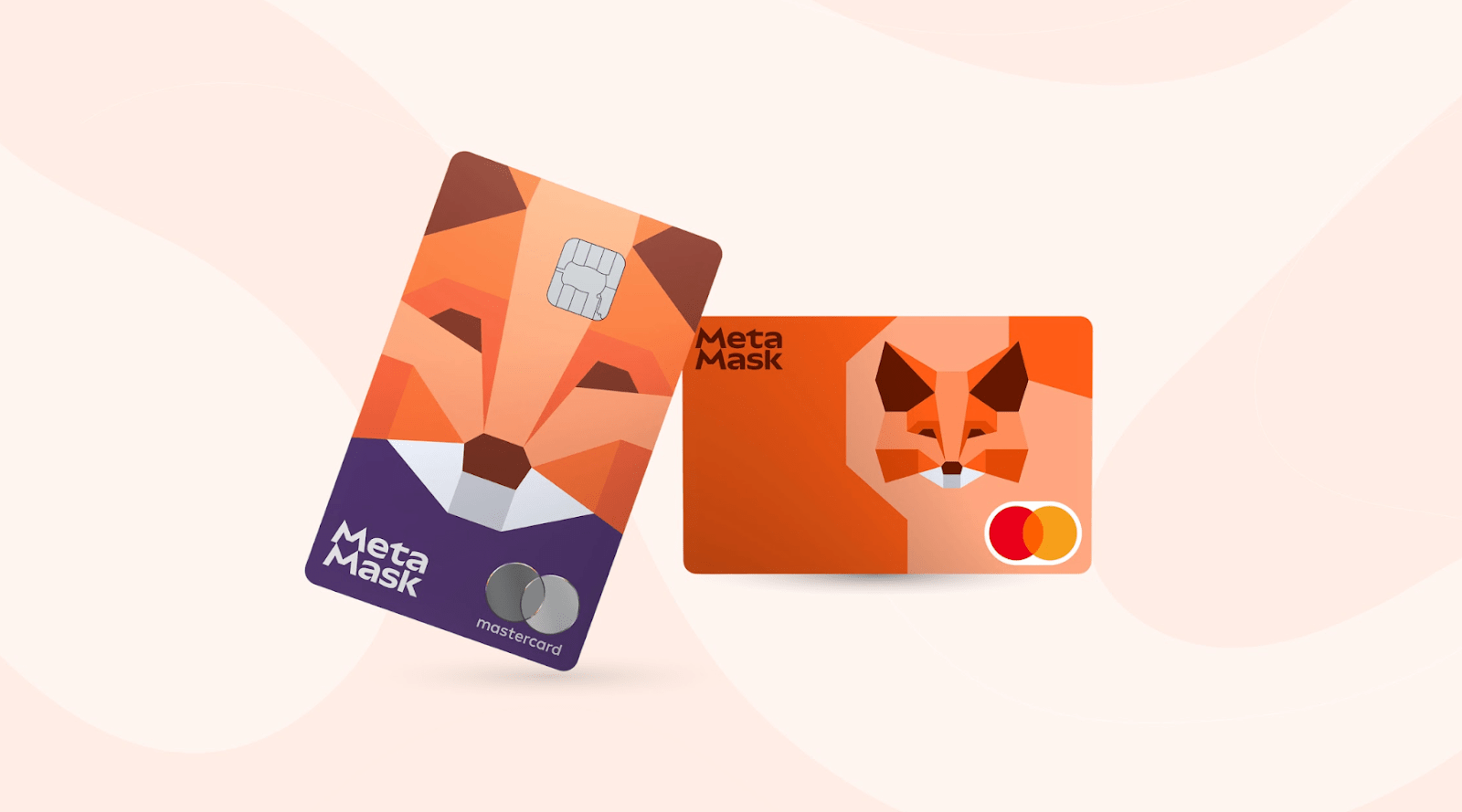
MetaMask is the legendary non-custodial wallet that recently launched its own card. This means your money isn’t held by an exchange or a centralized company; it is entirely controlled by you (via your seed phrase).
- Complexity for beginners: This is hardcore mode. To pay with this card, you need to know exactly which blockchain network your coins are on, hold the native network token to pay for transaction fees (“gas”), and know how to use cross-chain bridges. For a first introduction to crypto payments, it is far too complex.
7. Gnosis Pay — The Future You Have to Grow Into
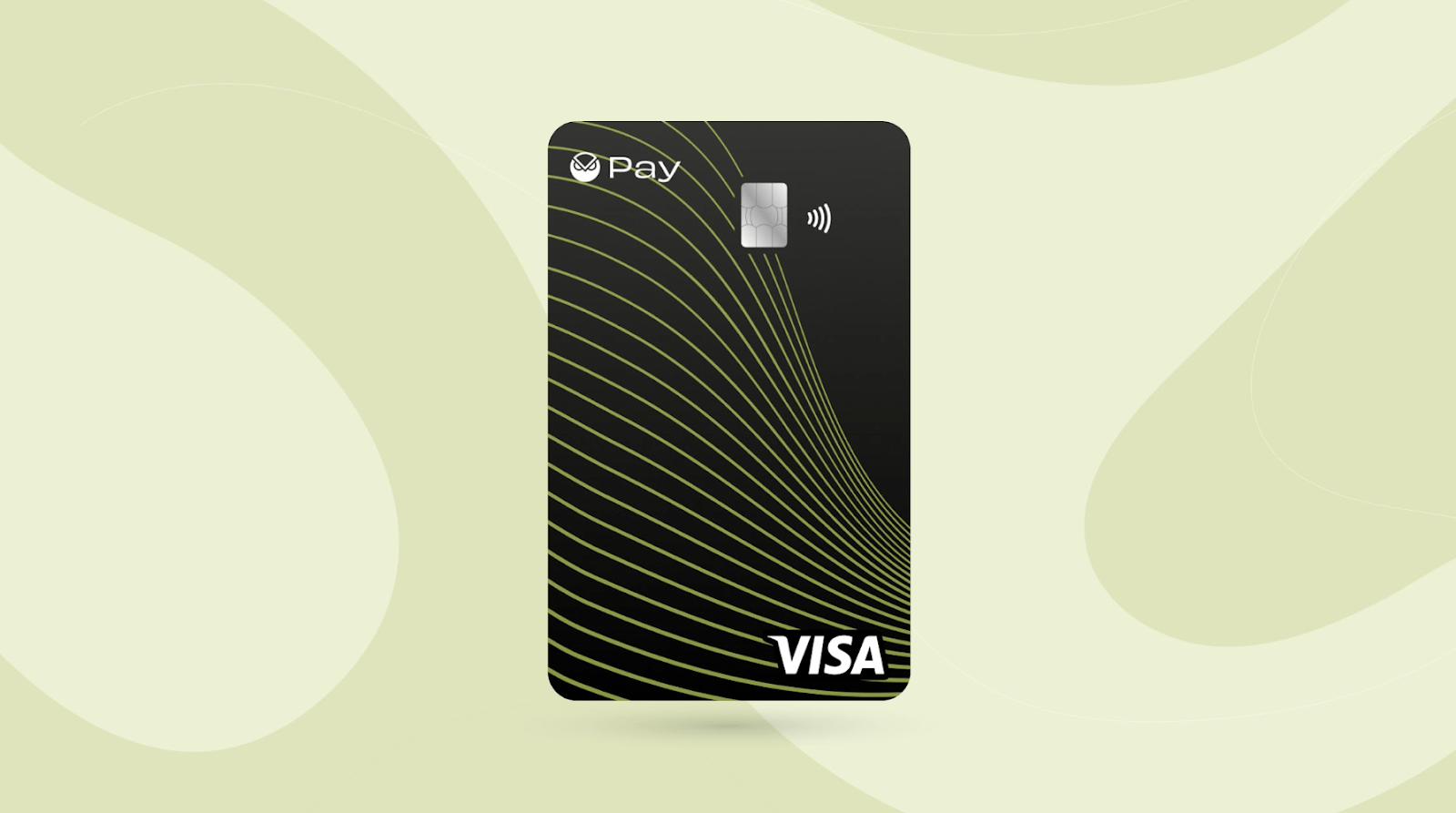
This is a fully on-chain card linked directly to a smart contract on the Gnosis network. Technologically, it is a masterpiece of 2026.
- Complexity for beginners: Maximum. You have to bridge funds to the Gnosis network, understand how Safe smart contracts work, and pay network fees. A beginner has a 90% chance of losing their money on the way to funding this card. It is placed seventh purely due to its incredibly high barrier to entry.
The Illusion of “Free”: How We Get Cheated by Hidden Fees
The biggest trap beginners fall into when choosing a crypto card is the bright banner screaming “0% Transaction Fees!” Sounds perfect, right? But let’s be honest: no bank or exchange runs a charity. If they aren’t charging you a direct fee, they’ve hidden it where you won’t look — in the conversion rate (the spread).
How it works in practice: You buy a latte for 5 EUR. A “fee-free” exchange crypto card deducts your USDC. On the open market, the real exchange rate is 1 USDC = 0.95 EUR. However, the app converts your crypto at its own “internal” rate — say, 1 USDC = 0.90 EUR.
Ultimately, you didn’t pay a single cent in official commission, but because of the hidden spread, you overpaid for your coffee by 3-5% of its real cost. And if you are buying a laptop or paying for a hotel on vacation, those “invisible” percentages turn into significant financial losses.
This is exactly why experienced users always choose transparency. A card with a fair, fixed exchange fee (like the 0.5% on Trustee Plus), which converts your asset at strict market rates, will always be vastly cheaper and more profitable in the long run than “free” cards with inflated spreads. You always know exactly how much will be deducted from your balance, down to the last cent.
Why a Personal IBAN is Your Ultimate Shield
The primary fear of any newcomer is: “What if my local bank blocks my account because of crypto transactions?” If you use classic P2P exchanges (where random strangers wire money to your bank card), the risk of getting blocked by your bank’s security team is indeed very high. To them, regular transfers from various private individuals look incredibly suspicious. But when you use a crypto card directly in a store, your local bank isn’t involved in the chain at all. You just tap the terminal, and no red flags are raised.
So, why does a crypto user need a classic IBAN? Many people mistakenly believe that crypto is a way to hide from the banking system. In 2026, the exact opposite is true: smart crypto users leverage Web3 to legally and comfortably integrate into Europe.
When you receive a personal European account number (IBAN) in your own name alongside your virtual crypto card, you step up to the major leagues:
- An Absolutely Clean Financial History: You can legally receive your salary from a European employer or freelance payments in Euros (via SEPA) directly to this account.
- Zero P2P Hassle: You can send Euros from your crypto-bank to any other European card without relying on shady third-party exchangers.
- Systemic Trust: Transfers originating from a personal European IBAN to your other accounts are viewed by financial institutions as a transparent movement of personal funds, not as “murky” internet money.
You no longer have to choose between the freedom of cryptocurrencies and the convenience of the classic financial system. Having a personal IBAN inside a crypto wallet is the bridge that allows you to comfortably and legally live in both realities simultaneously.
Final Thoughts
In 2026, crypto is no longer just a digital asset for long-term holding; it is your everyday money. For a beginner, the best strategy is to avoid complex trading terminals with hidden spreads and choose a tool that offers absolute transparency and a familiar banking interface. Stop losing money on P2P exchanges — issue a user-friendly card like Trustee Plus, and start seamlessly spending your Web3 portfolio in the real world today.
Navigating the bridge between digital assets and real-world spending is much easier when you read expert reviews on Incrypted, which consistently highlight the best crypto cards for beginners