Convenience. Not long ago, it meant the express lane at checkout or having the right notes in your wallet.
In this cashless era, the definition has shifted.
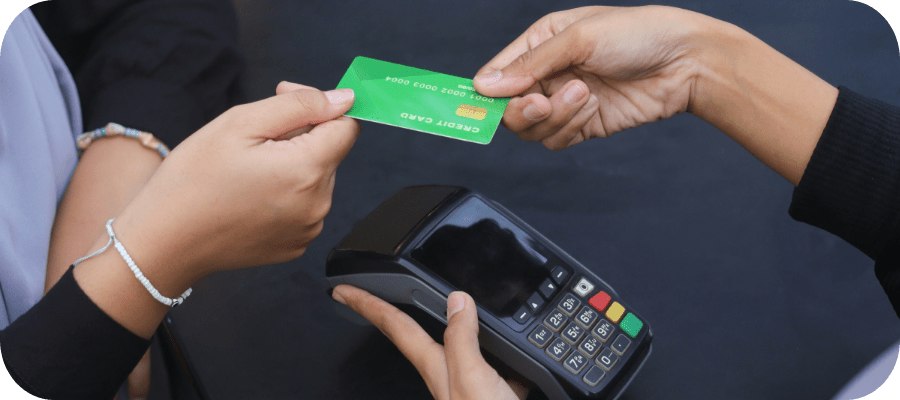
Today, convenience is about frictionless movement between platforms and currencies. As digital payments become the default, people increasingly judge convenience not by novelty, but by how smoothly a system fits into their routines.
At the center of this shift: flexibility. Cashless systems succeed when they remove unnecessary steps rather than adding new ones. Whether it’s tapping a phone, scanning a QR code, or sending crypto across borders, modern users value intuitive, immediate tools.
Speed Is Only the Start
Speed is naturally the first benefit associated with cashless payments. That said, it’s no longer enough on its own. Transactions are expected to be near-instant, regardless of location and device. Even a brief waiting period now feels like friction.
This expectation extends beyond retail and into everything from peer-to-peer transfers and digital services.
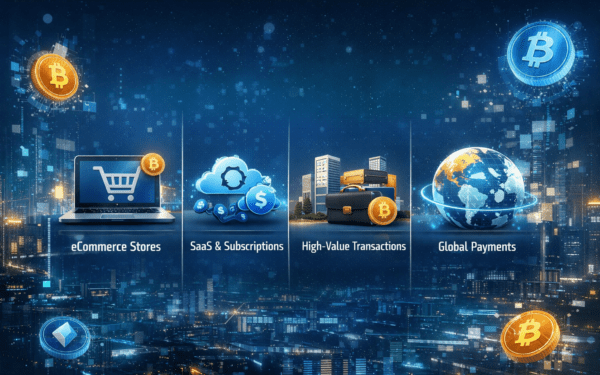
Crypto has raised the bar further by introducing settlement without intermediaries. For many users, convenience now includes not needing a bank’s operating hours and approval layers. A system working at any time, from anywhere, is seen as inherently more convenient than one tied to traditional infrastructure.
Control and Transparency Matter
Another evolving measure of convenience is control. Cashless users desire visibility over their funds and autonomy over how they’re used.
Blockchain-based payments appeal to this mindset by delivering transparent transaction records and self-custody options. Even for those who don’t engage deeply with the technology, the idea of verifiable, user-driven finance is becoming part of the convenience conversation.
This mindset carries into entertainment and leisure as well. When people play online games and explore digital platforms, they increasingly expect the same payment flexibility they experience elsewhere. Being able to move funds easily between wallets, platforms, services, etc. without repeated verification steps feels like a natural extension of cashless living.
Digital Leisure in a Cashless World
Online entertainment further highlights how convenience has become contextual rather than universal. Playing at online casinos, for instance, is no longer simply about access to games. It’s about how smoothly users can deposit, play, and withdraw without breaking their flow. Crypto-friendly platforms appeal to players who seek fast transactions and fewer intermediaries.
For some users, the ability to move from a crypto wallet to entertainment is part of everyday convenience. A decision to visit jackpotcitycasino.com/canada/, for instance, fits into this wider pattern of expecting familiar, cashless experiences across different digital environments. The payment method becomes secondary to how effortlessly it integrates into the experience.
Convenience as Continuity
Perhaps the most important shift of all is that convenience now means continuity. Users don’t want to think about payments at all. No. They want systems which fade into the background. Whether paying for services or engaging with online platforms, the most convenient tools are those that do not interrupt the experience.
In a cashless era formed by crypto, convenience is no longer defined by a single feature. As digital finance continues to mature, the systems primed to succeed will be those that feel less like technology and more like an invisible part of everyday life.