Bitcoin mining and AI computing both require equipment, electricity, and ongoing operations. Why, then, do they create different earning opportunities? For beginners, the starting point is understanding where they participate and how revenue is generated.
Bitcoin mining can involve purchasing equipment, operating it independently, arranging hosting, or buying computing capacity under a contract. AI computing also offers several entry points: technically experienced participants can operate GPU servers and rent out resources, while those without equipment can explore individual infrastructure participation plans.
Each approach involves different commitments, responsibilities, and reward mechanisms. Understanding whether you are operating equipment, purchasing a service, or participating under platform terms makes the comparison clearer.
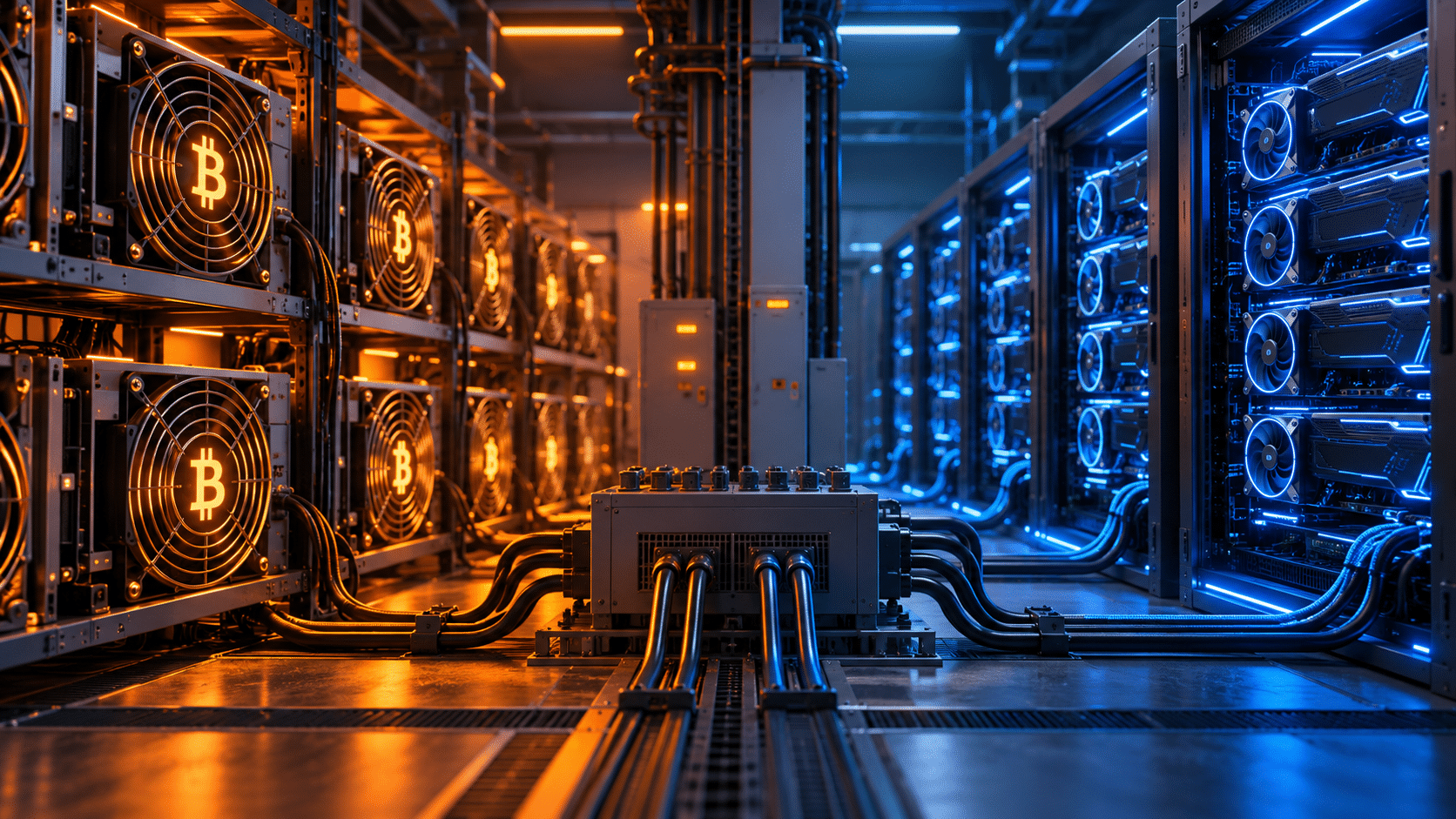
How Beginners Can Participate in AI Computing: From GPU Rental to Power Plans, 51AIpower Lowers Entry Barriers
Providing AI computing resources directly typically requires suitable equipment, networking, electricity, cooling, and maintenance. Whether revenue covers those costs depends partly on customer demand and actual rental activity. For people without hardware or operational experience, the power infrastructure supporting AI offers another participation route.
51AIpower, for example, focuses on electricity support for AI infrastructure. Its Power Plans are designed to lower barriers to individual participation in infrastructure development and operation. Users support the power and GPU computing required by AI factories without purchasing hardware, deploying equipment, or supplying electricity themselves. Rewards depend on plan terms and actual operating performance.
New users can explore the process through the Starter Plan. Under the platform’s stated rules, each new user receives up to 200 free purchases, limited to one per day. Users can review plan activity and real earnings credited to their accounts. Withdrawals remain subject to applicable conditions, and the free allowance itself is not withdrawable cash. Paid plans require a separate review of duration, financial restrictions, and reward rules.
This extends individual participation beyond using AI applications to supporting their infrastructure. Whether operating miners, renting out GPUs, or joining a power plan, the essential questions remain: what work is performed, who pays for it, and what responsibilities do you assume?
For context on the applications these systems support, see Coinranking’s guide to AI agents and blockchain applications.
Bitcoin Mining vs. AI Computing: Five Differences at a Glance
These distinctions describe the underlying businesses. Rewards paid through participation platforms depend on their contracts and should not be equated directly with an individual machine’s revenue.
1. Different Purposes: Producing Blocks or Completing Customer Tasks?
Bitcoin miners perform hashing operations on candidate blocks, seeking a result that satisfies the network’s difficulty requirement. Valid blocks accepted by the network support transaction confirmation and security. Bitcoin.org describes mining as a specialized, competitive computing market.
AI computing serves particular workloads. Training develops or adjusts model capabilities; inference uses an existing model to answer questions, analyze information, or generate content. Requirements vary across computing power, memory, storage, and networking.
The two activities therefore cannot be compared simply by counting calculations per second. Bitcoin mining commonly uses hash rate, while AI services must also consider output quality, response time, and throughput.
Equipment optimized for repeated hashing is not automatically suitable for processing documents or running language models.
2. Different Revenue Sources: Protocol Rewards and Customer Payments
Bitcoin mining revenue originates from block subsidies and transaction fees. When individuals participate through a mining pool, distributions also depend on the pool’s payment and settlement arrangements.
AI computing businesses generally need paying customers. Developers rent GPUs, enterprises pay for model services, and computing providers pay data centers for colocation. Facility operators, equipment owners, and model providers can have different revenue structures.
Customer payments and the income ultimately received by an equipment owner or participant may pass through several stages. Revenue must cover hardware, electricity, networking, maintenance, and other expenses. Platform rewards are calculated under the relevant contract.
Increasing AI usage consequently does not establish how much a particular participant will earn. An AI subscription payment does not automatically flow in a fixed proportion to an infrastructure plan.
3. Different Equipment: Converting a Mining Site Takes More Than New Software
Bitcoin ASIC miners are designed for specific calculations. BITMAIN’s official documentation identifies SHA-256 as the algorithm associated with its Bitcoin miners. These specialized machines cannot become general-purpose GPU servers simply through a software change.
When mining businesses move into AI infrastructure, reusable assets may include land, electrical connections, buildings, and operating experience. Suitability still depends on networking, power distribution, cooling, and customer requirements.
Power sourcing and hardware lifecycles also matter; Coinranking’s guide to cryptocurrency sustainability explores these considerations.
Core Scientific’s 2026 investor materials separately identify site selection, power, fiber connectivity, engineering, and equipment procurement as elements of high-density colocation development. Conversion involves substantial infrastructure work.
Its quarterly filing for June 30, 2026 distinguished approximately 590 MW of contracted CoreWeave customer capacity from approximately 395 MW that had started billing. Signing, completing, and generating revenue represent different stages.
That distinction is useful when assessing mining-to-AI announcements: commercial progress depends on conversion, delivery, and customer deployment.
4. Different Operating Challenges: Does Being Online Mean Earning a Profit?
An online Bitcoin miner does not necessarily produce stable net income. Network difficulty, Bitcoin prices, transaction fees, pool arrangements, and electricity costs can change the result. Equipment can remain operational while failing to cover its expenses.
Coinranking’s coverage of market weakness and crypto mining companies provides an example of how lower asset prices can pressure mining businesses.
GPU rental also depends on customers choosing suitable equipment. Vast.ai’s hosting documentation makes providers responsible for installation, troubleshooting, pricing, and maintenance, alongside keeping contracted services available.
For usage-based GPU rentals, a starting revenue calculation is actual rented hours multiplied by the agreed rate, before expenses. Multiplying an advertised hourly price by every hour in the day assumes continuous bookings. Reserved capacity and other contracts require their own calculations.
Both businesses need cost control. Mining faces network competition, while AI computing must also match customer workloads and service expectations.
5. Different Responsibilities: Operating Equipment or Joining a Plan?
Operating miners or GPU servers involves purchasing, deployment, repairs, and depreciation. Hosting can reduce on-site work, but owners still need to understand fees, downtime arrangements, and equipment retrieval.
Purchasing hashpower services or joining platform plans may require less daily activity. Attention shifts to contractual rights: charges, reward calculations, access to funds, and early-exit restrictions.
51AIpower organizes participation through Power Plans, without users managing GPUs or electrical facilities themselves. Participants instead need to understand plan duration, reward mechanisms, and financial conditions.
Choosing an approach therefore means considering both potential benefits and actual obligations. Operational simplicity does not establish low financial risk.
Before Getting Started, Follow the Revenue
Bitcoin mining and AI computing turn equipment and electricity into different services. For beginners, useful questions include who pays, what must be delivered, and which costs are deducted before income reaches them.
This approach provides more insight than projected returns alone. Equipment operation and platform participation should both be considered alongside technical capabilities, financial circumstances, and contractual conditions.
Risk disclosure: Mining, GPU rental, and infrastructure participation do not guarantee profits. Risks include price fluctuations, depreciation, operational failures, platform performance, and restrictions on funds. Estimated rewards and trial results do not guarantee future earnings.
Frequently Asked Questions
Can Bitcoin Miners Run AI Models Directly?
Common Bitcoin ASIC miners are designed for SHA-256 calculations and cannot replace general-purpose AI computing equipment. Site conversions may reuse some facilities and power infrastructure but generally require different computing systems and supporting equipment.
Is AI Computing Always More Profitable Than Bitcoin Mining?
No. Results depend on hardware costs, electricity prices, demand, utilization, service pricing, and contractual arrangements. Industry growth does not guarantee individual profitability.
Can You Participate Without GPUs or Your Own Electricity Supply?
Some platforms offer arrangements without requiring users to deploy equipment. For example, 51AIpower provides Power Plans with rewards based on terms and operating performance. Financial restrictions and withdrawal conditions still require review.