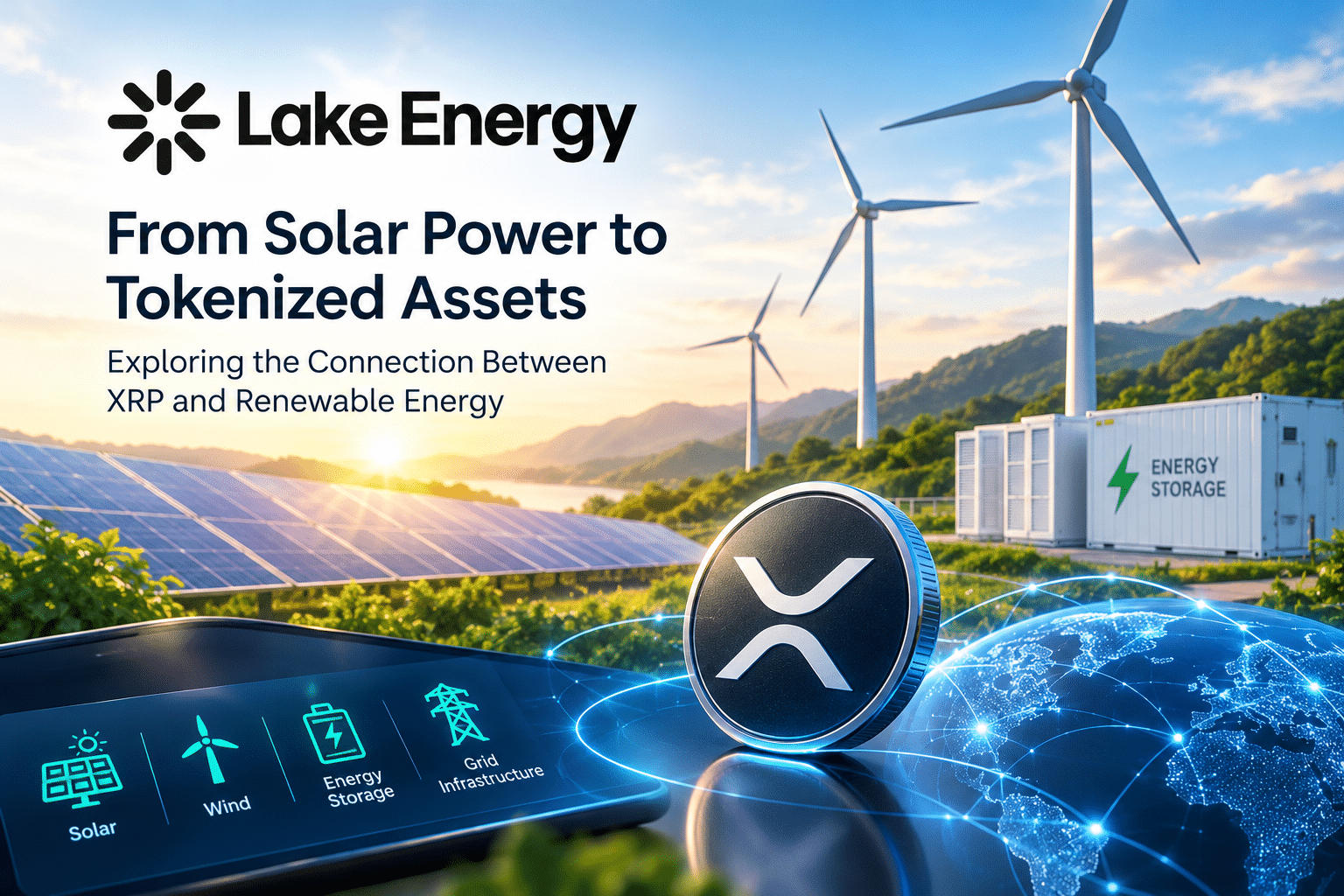
As artificial intelligence (AI), data centers, and global electrification continue to accelerate, worldwide electricity demand is growing rapidly. Solar power, wind energy, and energy storage are becoming increasingly important to meeting this demand, attracting investment from institutions, businesses, and individuals interested in the global energy transition.
At the same time, blockchain technology is transforming how digital assets are transferred, managed, and integrated into real-world economic activities. Real-world asset (RWA) initiatives are creating new possibilities for connecting digital finance with physical infrastructure.
As one of the major digital assets in the cryptocurrency market, XRP is known for its fast transaction settlement and relatively low transaction costs. Beyond cryptocurrency trading, XRP may also serve as a payment option for platforms exploring digital asset applications in real-world industries.
The intersection of digital assets and renewable energy offers an emerging area of interest, bringing together the growth of clean energy infrastructure and the evolution of digital finance.
Why Renewable Energy Is Attracting Global Investment
1. Government Incentives and Policy Support
Governments worldwide are introducing policies to encourage clean energy development and reduce dependence on conventional energy sources. In the United States, the Inflation Reduction Act introduced a range of incentives for eligible renewable energy and energy storage projects.
Depending on the project and applicable requirements, these incentives can help improve project economics and encourage investment in solar power, wind energy, and supporting infrastructure.
2. Growing Corporate Demand for Clean Energy
Major companies, including Apple, Microsoft, and Amazon, are expanding their use of renewable energy as part of their sustainability strategies.
Long-term power purchase agreements (PPAs) allow businesses to contract for electricity from renewable energy projects. For developers, these agreements can help establish long-term customer relationships and improve revenue visibility, making them an important part of the renewable energy investment landscape.
3. Technological Progress and Cost Competitiveness
Advances in photovoltaic technology, including N-type TOPCon and heterojunction (HJT) solar cells, are helping improve solar module efficiency. At the same time, larger wind turbines and more advanced battery energy storage systems are expanding the capabilities of renewable energy infrastructure.
As these technologies continue to develop, solar and wind power are becoming increasingly competitive in many markets. Energy storage also plays a growing role in balancing electricity supply and demand and supporting grid reliability.
Together, these trends are creating opportunities across the renewable energy value chain, from electricity generation to storage and grid infrastructure.
About Lake Energy
Founded in 2020 and headquartered in Singapore, Lake Energy presents itself as a platform focused on renewable energy infrastructure development, asset operations, and digital asset allocation through real-world asset (RWA) initiatives.
The platform aims to connect capital with clean energy opportunities while supporting the continued development of sustainable infrastructure. Its stated business areas cover several key segments of the renewable energy industry.
Solar Energy
Lake Energy’s stated areas of focus include distributed solar power and agrivoltaics, an approach that combines agricultural activities with solar energy generation. These solutions can contribute to more diversified land use and expand the application of solar technology.
Wind Energy
Onshore and offshore wind power represent another area of focus. Wind projects contribute to electricity generation from renewable sources and form an important part of many countries’ long-term energy strategies.
Energy Storage
Battery energy storage systems (BESS) help store electricity for use when demand rises or renewable generation fluctuates. Storage infrastructure can support grid flexibility and improve the integration of solar and wind power.
Grid Infrastructure and Energy Support
Power transmission and grid support infrastructure help connect electricity generation with end users. Investment in these systems is increasingly important as electricity consumption grows and energy networks evolve.
Through these areas of focus, Lake Energy aims to expand its presence in renewable energy markets and create opportunities for investors and partners to participate in the broader development of clean energy infrastructure.
How to Get Started in Three Simple Steps
Step 1: Register for an Account
Visit the Lake Energy website and register using your email address. The platform’s promotional materials state that new users may receive $10 in introductory funds, subject to the applicable terms and conditions.
Once registered, users can explore the platform interface and review the available investment offerings.
Step 2: Explore Renewable Energy Projects
Browse the available solar, wind, and energy storage offerings. Each option features an investment amount, a project duration, and an advertised return.
Users can compare the available options according to their preferences and review the relevant project terms before making a selection.
For users interested in digital assets, XRP payment support and any associated funding procedures can be reviewed through the platform’s available payment instructions.
Step 3: Track Performance and Manage Your Account
After an investment has been accepted, users can monitor the relevant account information and displayed investment performance through the platform.
Lake Energy’s promotional materials describe daily returns, along with options for withdrawals or reinvestment. These features are intended to provide users with a way to follow their account activity and manage their funds according to the applicable project terms.
Featured Renewable Energy Investment Offers
Lake Energy’s promotional materials feature several investment options across solar energy, wind power, and energy storage, with different investment amounts and durations.
| Project Type | Investment Amount | Duration | Advertised Daily Return | Advertised Return at Maturity |
|---|---|---|---|---|
| Solar Energy | $500 | 7 days | $5.25 | $536.75 |
| Solar Energy | $1,000 | 15 days | $11.00 | $1,165.00 |
| Wind Energy | $3,000 | 20 days | $34.50 | $3,690.00 |
| Wind Energy | $5,000 | 25 days | $60.00 | $6,500.00 |
| Energy Storage | $10,000 | 30 days | $126.00 | $13,780.00 |
These offerings cover a range of investment levels and project durations, allowing prospective participants to compare the advertised terms across different energy categories.
XRP and Renewable Energy: Connecting Digital Finance with Physical Infrastructure
The relationship between digital assets and renewable energy extends beyond payment technology. Blockchain-based systems may also support the digital representation, tracking, and transfer of certain real-world assets when appropriate legal and technical structures are in place.
For XRP holders, platforms that support XRP payments may offer an additional way to access eligible investment opportunities connected with the renewable energy sector. This creates an opportunity to explore how digital financial tools can interact with industries that build and operate physical infrastructure.
However, the specific relationship between a digital payment, an investment contract, and ownership of an underlying energy asset depends on the structure of the relevant offering. Payment support alone does not establish direct ownership of a solar farm, wind project, or energy storage facility.
As renewable energy markets continue to evolve, the combination of digital finance and clean energy infrastructure is likely to remain an area of interest for investors exploring emerging financial applications.
Explore Lake Energy
The global energy transition is reshaping investment opportunities across electricity generation, energy storage, and infrastructure. At the same time, digital assets are expanding the ways people can transfer value and interact with financial platforms.
Lake Energy aims to bring these developments together through its focus on renewable energy projects and digital asset-related investment solutions.
From solar power and wind energy to advanced storage systems, the future of clean energy depends on continued investment, technological progress, and the development of supporting infrastructure.
Discover Lake Energy and explore its renewable energy offerings.
Visit https://lakeenergy.com/ to learn more about the platform, review available projects, and find out how to participate.