Ethereum Delays Glamsterdam Fork on Hoodi Over Eight Broken Invariants
EIP-8037 and EIP-8038 change how gas is charged for state growth, and developers want the risks cleared before the testnet fork.

Key Takeaways
- The Ethereum Foundation delayed the Glamsterdam fork on the Hoodi testnet on November 6, 2026.
- EIP-8037 and EIP-8038 change how gas is charged for state growth and state access and break eight smart contract invariants.
- Developers and auditors are reviewing contracts against a published list of the eight invariants.
- No new Hoodi fork date has been announced.
The Ethereum Foundation delayed the Glamsterdam upgrade fork on the Hoodi testnet on November 6, 2026, after two gas-focused proposals were found to break eight assumptions that existing smart contracts and tools rely on. Hoodi will not fork to Glamsterdam until the risks are resolved.
Why the Hoodi Fork Was Delayed
Two Glamsterdam improvement proposals, EIP-8037 and EIP-8038, rework how gas is charged for state growth and state access. Research from ChainSecurity in mid-October and follow-up work by the Ethereum Foundation found that the new gas model breaks eight invariants: assumptions in smart contracts, audit tools, simulation tools and off-chain systems about gas pricing, state access and call behavior. Developers discovered the problem while testing the upgrade on Hoodi, the Ethereum (ETH) testnet used for upgrade rehearsals.
What Happens Next for the Glamsterdam Upgrade
The Ethereum Foundation published guidance along with a repository listing the eight invariants and a review checklist, and asked developers and auditors to check their contracts against it. The foundation opened a dedicated email address for reports and said it is investigating the concerns with auditors. It asked developers and auditors whose contracts depend on precise gas behavior to run the checklist before the fork date returns. No new date for the Hoodi fork has been announced. The upgrade schedule moves only after the affected invariants are resolved or mitigated.
Why Testnets Catch These Problems First
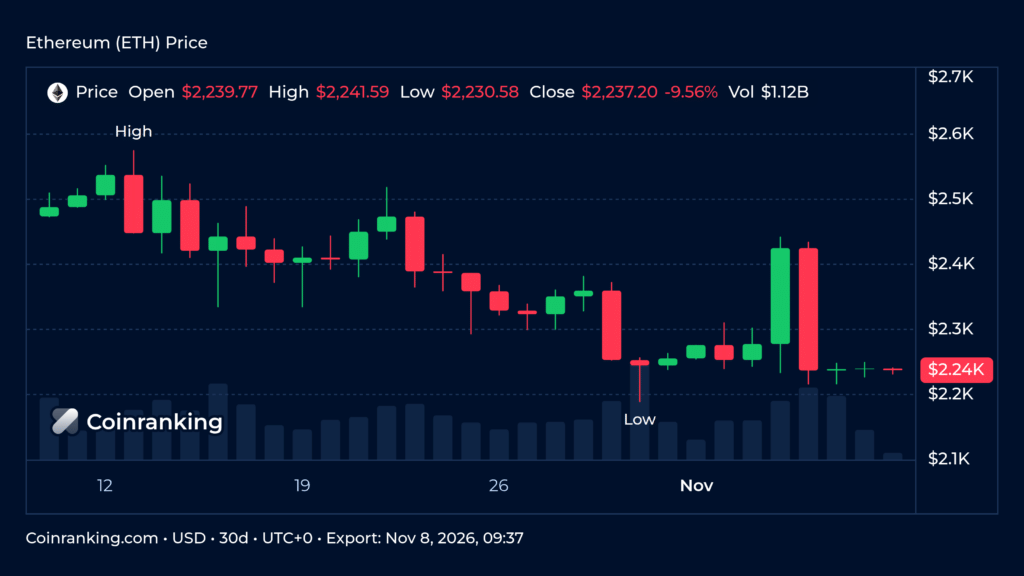
Hoodi exists so that upgrade code runs under real conditions before it reaches mainnet. Finding the broken invariants there keeps the change away from live users until it is safe. Ethereum has used the same rehearsal path for earlier hard forks, and the process has repeatedly pushed schedules back rather than shipping breaking changes. The upgrade remains one of the most watched events on the layer-1 blockchains calendar. Traders can follow the market through the delay on the Ethereum price chart.
Frequently Asked Questions
What Is the Glamsterdam Upgrade on Ethereum?
Glamsterdam is the planned Ethereum hard fork that includes EIP-8037 and EIP-8038, two proposals that change how gas is charged for state growth and state access.
Why Was the Glamsterdam Hoodi Fork Delayed?
On November 6, 2026 the Ethereum Foundation said Hoodi will not fork until smart contract risks are resolved. The two proposals break eight invariants that existing contracts and tools rely on.
What Are the Eight Glamsterdam Invariants?
They are assumptions in smart contracts, audit tools and off-chain systems about gas pricing, state access and call behavior. The Ethereum Foundation published the full list and a review checklist.
When Will Glamsterdam Go Live on Hoodi?
No new date has been set. The Ethereum Foundation said the Hoodi fork waits until the affected invariants are resolved or mitigated.
Does the Hoodi Delay Affect Ethereum Users?
No live network change has happened. The delay affects the Hoodi testnet schedule, and mainnet timing follows after testnet testing is complete.
Sources
- Glamsterdam EIP-8037 and EIP-8038 invariants guidance · Ethereum Foundation
- The eight invariants and review checklist · ethereum/glamsterdam-gas-invariants on GitHub
- Ethereum devs won't fork Glamsterdam on Hoodi until smart contract risks resolved · Cointelegraph
Prices and market data: Coinranking.